What to remember
- Farm roads and garden paths are there for visitors; the rows between crops are working ground, so step to the edge and leave the plants alone.
- Permission is better sorted before you leave Sapporo. A coach day with short stops leaves little time to launch, fly and land anyway.
- Ask the operator before booking if you travel with a dog or cat, and keep food and fingers out of the animal pens at farm stops.
- The viewpoint is small and the whole coach arrives at once. A phone and a compact tripod beat a spread-out kit on a shared path.
- Keep meals for the restaurant stop and the farm cafes, and keep smoke well away from dry crops and flower beds.
| Coach day tour | Small group van | Private car | |
|---|---|---|---|
| From | from US$48[1] | from US$43[2] | from US$572[3] |
| Group size | Bus/coach | Limited to 13 participants[2] | Private group[3] |
| Guide or driver | English, Chinese, Japanese, Korean[1] | English, Chinese, Japanese[2] | Driver: Chinese, English, Japanese[3] |
| Key stops | Patchwork Road and Farm Tomita[1] | Blue Pond and Shirahige Fall[2] | Farm Tomita and Shikisai No Oka[3] |
| Cancellation | Free cancellation 24 hours ahead[1] | Free cancellation 24 hours ahead[2] | Free cancellation 24 hours ahead[3] |
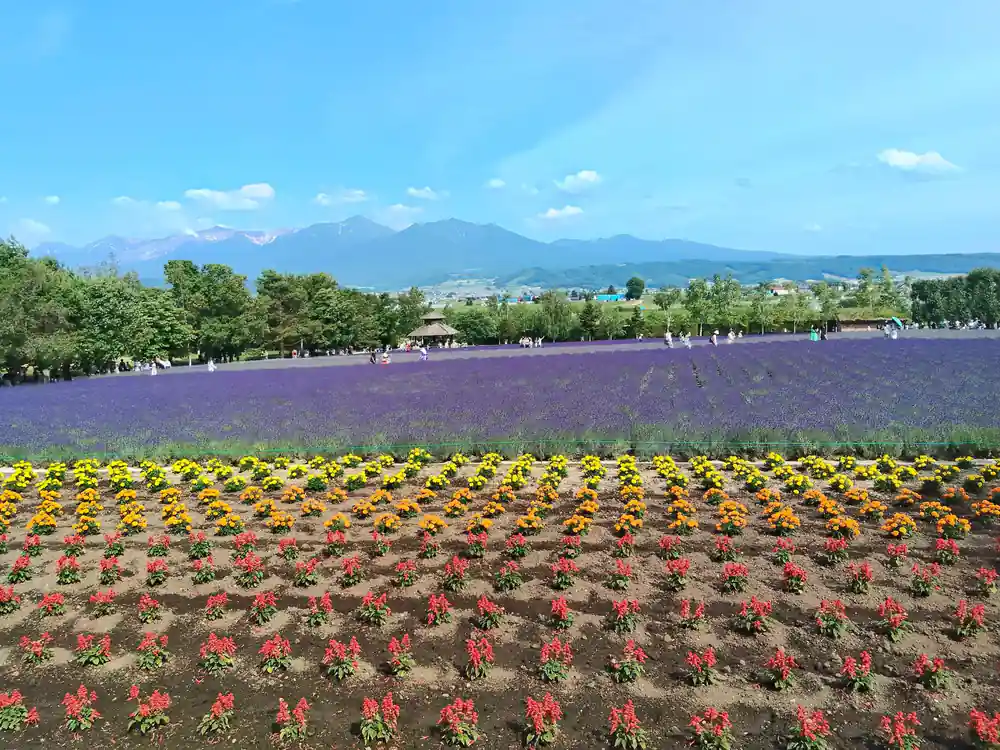
This area is known as “Patchwork Road,” where different crops are planted in each plot, forming Biei’s iconic scenery.
Is the Colored Hokkaido day tour worth it?
Plan before you book
In the fields
- Stay on marked paths and farm roads
- Furano averages 22.1°C in July[4]
- Hat, water and a light rain layer
- Leave the crop rows, pens and fencing alone
Walking Between Crop Rows
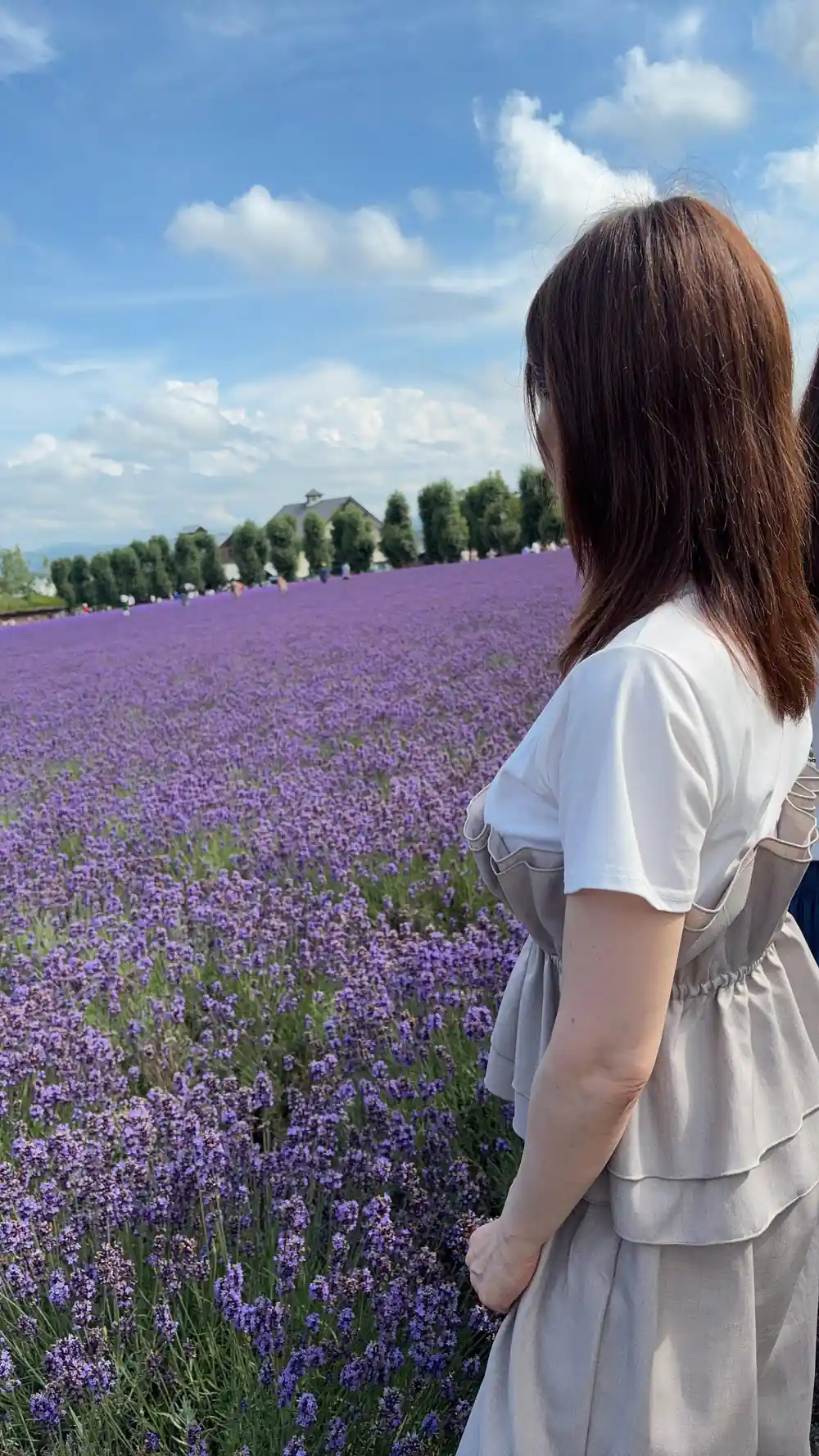
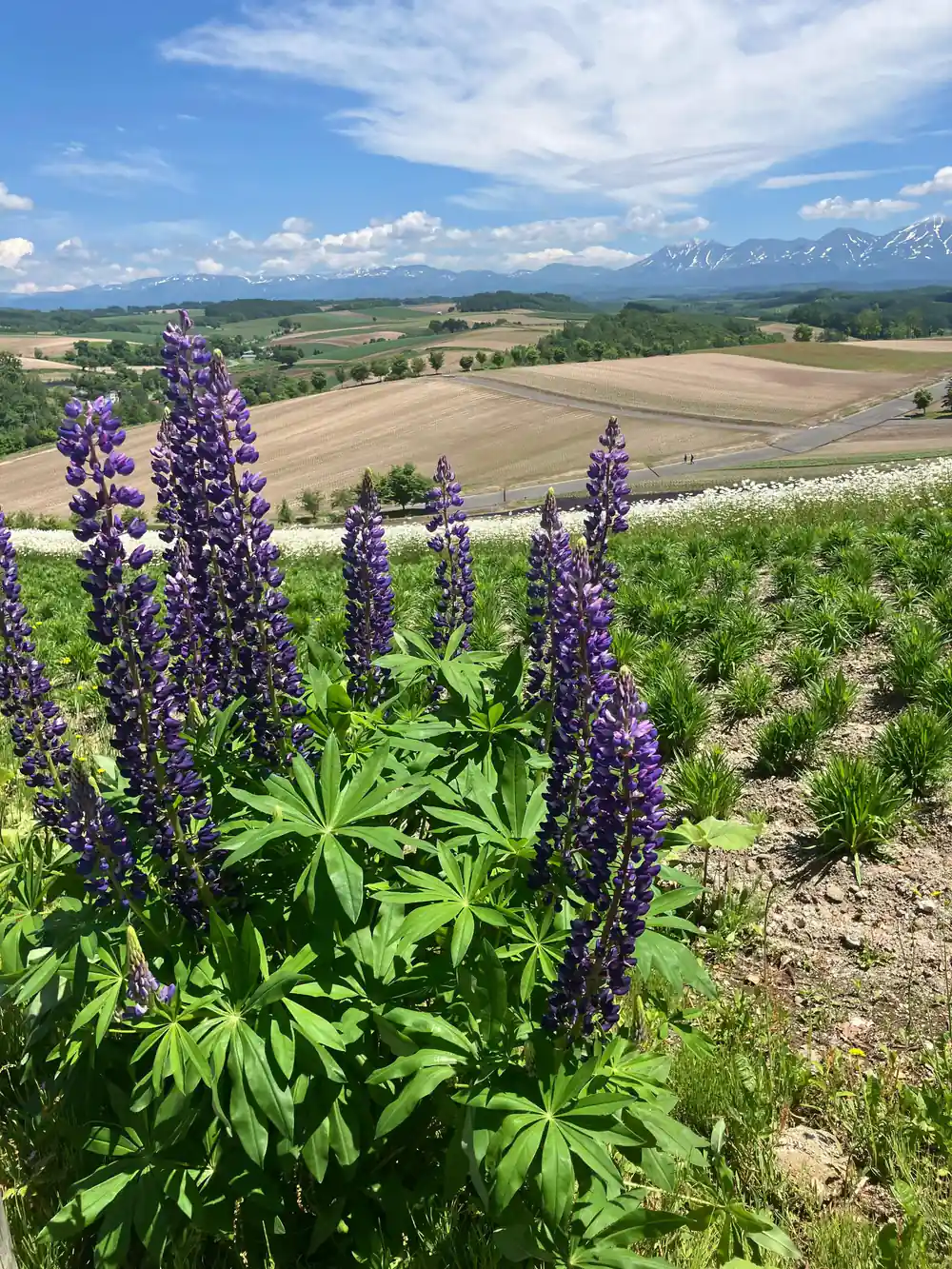
The hills above Biei look soft from a distance and they are anything but soft underfoot. The area around the Seven Stars Tree is known as Patchwork Road, where different crops are planted in each plot, forming Biei's iconic scenery.[5] Every strip of colour you see from the farm road is somebody's harvest, planted on a schedule you cannot read from the car park. Walking here is simple if you treat the marked route as the only invitation: keep to the path, the mown headland or the garden's own trail, and let the rows of plants belong to the field.
The colour and the footing both change through the season. Golden wheat, purple potato flowers, green bean fields and brown plowed earth follow one another across the hills,[6] and plowed ground stays sticky for days after rain. Lavender starts blooming from late June to mid-August.[7] If you are booking a lavender fields tour, that is the window to check first. In July the average temperature in Furano is 22.1°C,[4] comfortable walking weather that still calls for a hat, a bottle of water and shoes you do not mind dusting off.
Drones Over Biei and the Blue Pond
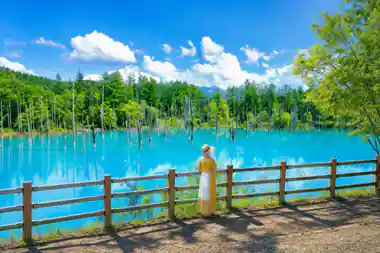
The Blue Pond is a small piece of water with a large reputation, and its colour is geology rather than paint. The Shirogane Blue Pond was created when emergency erosion-control dams backed up water after the December 1988 eruption of Mount Tokachi, and its blue comes from suspended aluminium colloids that scatter light.[8] Mount Tokachi stands at 2,077 meters.[9] Around the water there is a viewing area, a path and a bank of trees, with very little open ground.
Ask the tour operator what is possible at each stop if you hope to fly, and check with the garden or the landowner as well; the answer can differ from one place to the next. A coach day makes flying awkward in any case. The stop is short, the viewpoint is shared, and you would spend your minutes setting up rather than looking at the pond. If aerial photographs are the reason for your trip, build a separate day around them and settle access before you leave Sapporo.
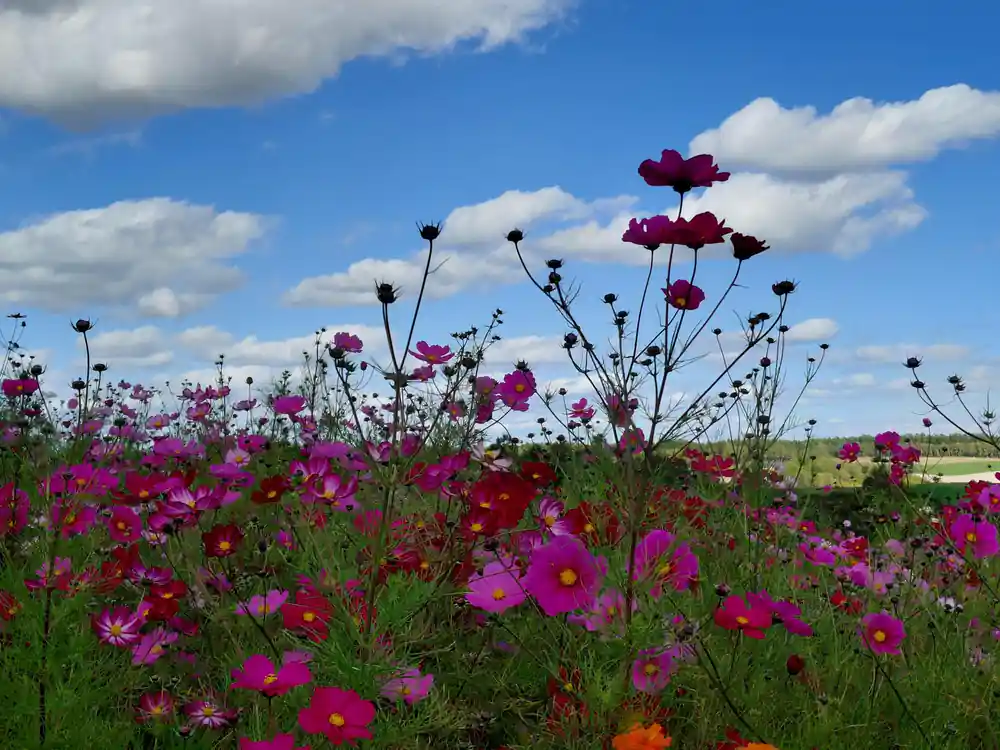
Farm roads run between the crop plots in the Biei hills.
Pets on the Coach and at Farm Stops
Travelling with a dog or a cat in Hokkaido takes planning, and a coach day is not the moment to improvise. The Colored Hokkaido day tour runs for 1 day[1] and has 2 starting location options,[1] with garden and farm stops where a pet would have nowhere comfortable to wait. If you travel with an animal, ask the operator before booking and arrange pet care for the day. Nobody enjoys a dog left in a car park.
Furano is a sensible base if you need to sort this out. It is about a two hour drive from Sapporo using the Doo Expressway between Sapporo and Mikasa,[10] and an overnight stay means you can leave a pet with a sitter and still join an early coach. Ask your accommodation what they can arrange, keep vaccination records with you in case a vet or a kennels asks, and pack a familiar blanket if the animal is travelling with you at all.
Feeding and Touching Farm Animals
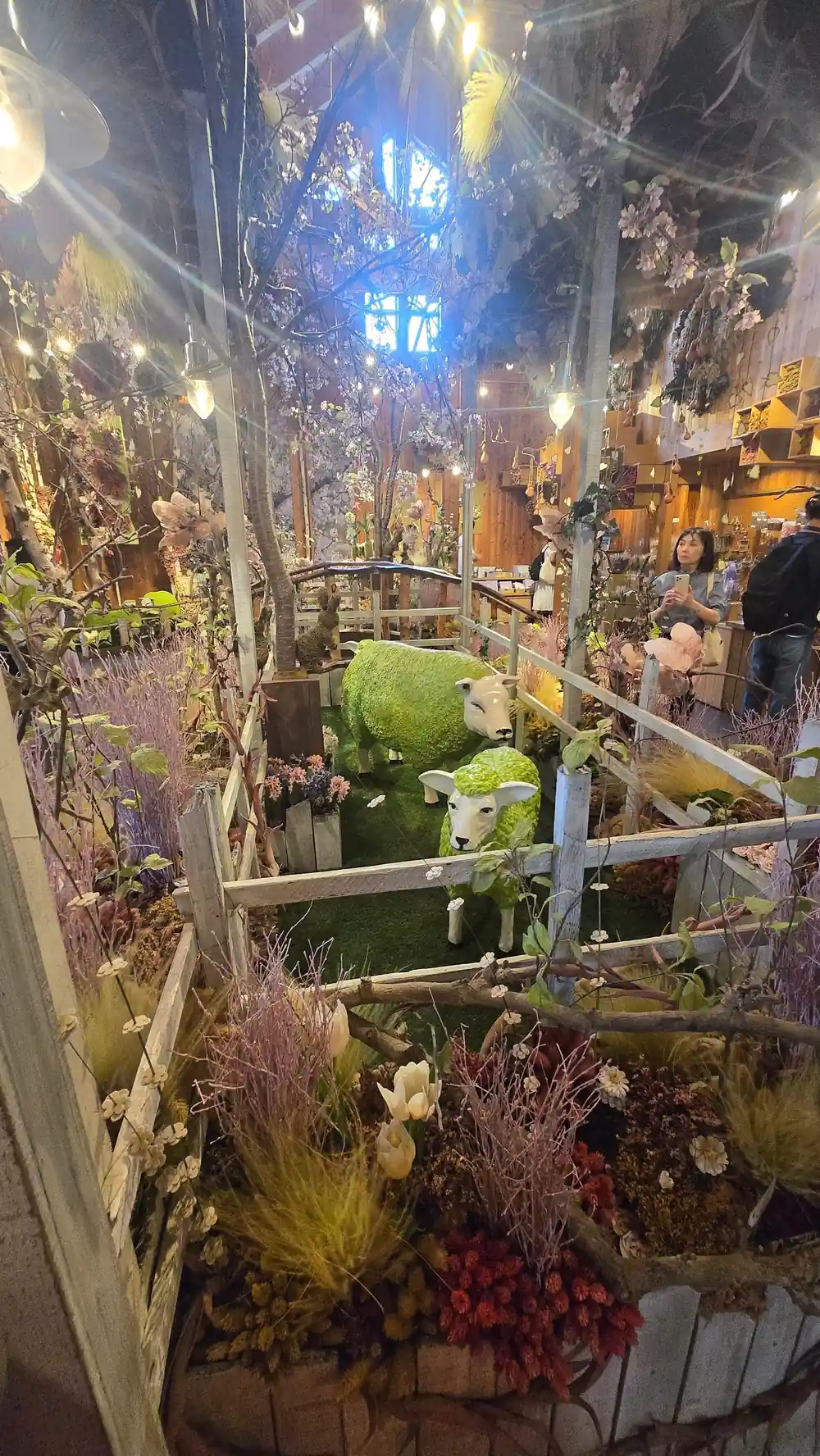
Where a farm keeps animals, the enclosure is their space and the board by the gate is the house rule. Bread, crisps and your sandwich are not animal food, and a hand that smells of lunch is a hand that gets nibbled. Keep food out of the pens, show children how to hold their fingers flat and slow, and let an animal walk away when it has had enough. Washing your hands afterwards is worth the minute it takes.
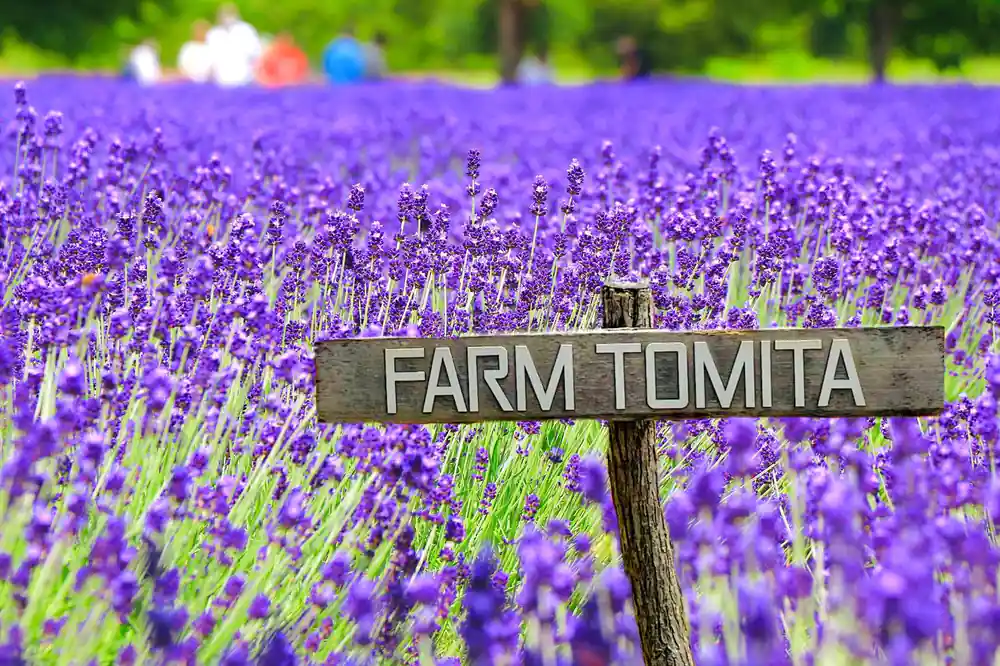
Crowds matter at these stops. Farm Tomita covers 29 hectares and welcomes over a million tourists annually,[11] while Shikisai-no-oka is a panoramic flower garden covering fifteen hectares of land in Biei.[12] On a busy morning the animals, the beds and the walking routes share the same small spaces. Move slowly near the pens, keep selfie sticks and umbrellas down, and do what the staff at the gate ask of you. A shut gate is shut, however good the view beyond it looks.
from US$48
A single day from Sapporo covers Patchwork Road, the Blue Pond, Shikisai No Oka and Farm Tomita, with 2 starting location options.[1]
Tripods and Selfie Sticks at Blue Pond
The pond is the kind of subject that makes people unpack everything they own. Water that turns turquoise because suspended aluminium colloids scatter light,[8] set against bare trees and a steep bank, shifts with every passing cloud. The viewing area is small, the coach arrives as one group, and the best frames usually go to whoever is patient rather than whoever has the most equipment. Set your bag down beside you and wait your turn at the rail.
If your itinerary includes Shirahige Waterfall, where groundwater seeping from the rock face plunges about 30 meters to the river below,[13] the same thinking applies: the railing, the spray and the queue decide where you can stand. Let people through when they have their shot, keep bags at your feet rather than on the rail, and use a compact tripod or a phone instead of a full kit spread across the path. Photographs of flower beds also look better when nobody is standing in them.
Private Land and Warning Signs
Around Biei the fields run right up to the road, and a driveway, a low fence or a hand-painted sign is the landowner's word. Crops change from plot to plot, which is what makes the hills worth photographing and what makes them private: a strip of purple potato flowers may be weeks from harvest. Treat signs and barriers as final, walk around a parked tractor rather than past it, and ask at a farm shop if you are unsure whether a track is open to visitors.
These are small towns with long memories. Furano's population is approximately 26,000 including the incorporated communities in the outskirts, while the main municipal area is said to be about 16,000,[14] and lavender has been cultivated in Hokkaido since the 1940s.[15] Farms here are family businesses, and the summer brings a steady stream of visitors along the same lanes. A polite question at a gate costs nothing.
Smoking and Eating in the Fields
Dry crops, warm afternoons and a breeze are a combination no farmer wants near a naked flame. Wind carries ash further than you would guess, and a dry field of wheat or lavender takes very little encouragement. Save the cigarette for the designated point at a stop, and put the end in a bin rather than in a field or a flower bed. The same goes for picnics: the beds are a display rather than a lawn, and a dropped wrapper or a fruit stone has a long life among the lavender.
The Colored Hokkaido day tour includes a stop at a local restaurant between the Blue Pond and the flower farms,[1] which is the natural place for a proper lunch. Farm shops and garden cafes along the route cover the rest, from soft serve to sliced melon. Buy it where it is sold, eat it standing at the edge of the path, and carry your rubbish on to the next bin.
From prices for a Furano and Biei day, US dollars
From prices in US dollars on the GetYourGuide listings[1],[2] and[3].
What a flower-field day costs
US dollar from-prices from GetYourGuide listings[1],[2] and[3].
When to go and when to book
Walking the fields politely
Read the gate first
Signs, fences and boards at garden gates tell you where visitors may go. Read them before you step in, and treat a closed gate as closed.
Keep to the paths
Use the marked route, the farm road or the mown edge. Ground between crops is planted, and a footprint there can bend plants that will not spring back.
Share the viewpoint
Coach groups arrive together, so take your frame and step aside. Keep tripods and selfie sticks low when people are waiting behind you.
Leave animals be
Watch from outside the fence, keep your food in your bag, and wash your hands after any contact at a farm stop.
Carry it out
Take wrappers and bottles to the next bin, keep smoke away from dry crops, and save eating for the restaurant stop or a cafe.
Ride out to the Furano and Biei flower country
from US$48Reserve now & pay later