What to remember
- Furano averages 22.1°C in July, warm in the open fields and cooler on the coach and after the light softens.[1]
- The farm roads and flower-bed paths around Biei are gravel, packed earth and mown grass, so closed shoes with tread beat sandals and smooth soles.
- A light waterproof shell and a pack cover take almost no room in a daypack and cover the showers that roll through the hills.
- Small notes and coins make lavender sachets, soft cream and melon easy to buy at farm stands, garden kiosks and roadside counters.
- Open fields mean sunscreen, a hat and insect repellent, and a charged power bank keeps maps, tickets and photos going all day.
- Top choice Furano & Biei Blue Pond from US$48 Route focusBiei views, Blue Pond, farm flowersDuration1 day[2]Guide or driverEnglish, Chinese, Japanese, Korean[2]CancellationFull refund up to 24 hours before[2]Rating4.56 from 122 reviews[2] Check availability
- Biei Furano Flower Sea Tour from US$43 Route focusBiei, Furano, Shikisai-no-oka, Farm TomitaDuration10 hours[3]Guide or driverChinese, English, Japanese[3]CancellationFull refund up to 24 hours before[3]Rating4.76 from 51 reviews[3] See this tour
- Noboribetsu & Lake Toya from US$47 Route focusNoboribetsu, Cape Chikyu, Lake Toya areaDuration10 hours[4]Guide or driverEnglish, Japanese[4]CancellationFull refund up to 24 hours before[4]Rating4.30 from 323 reviews[4] See this tour
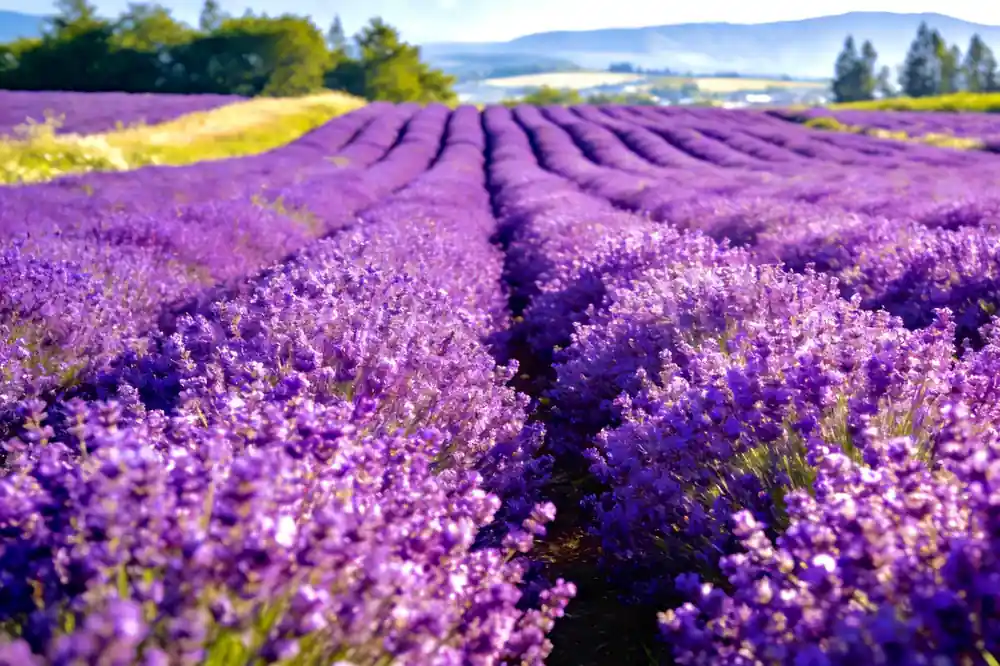
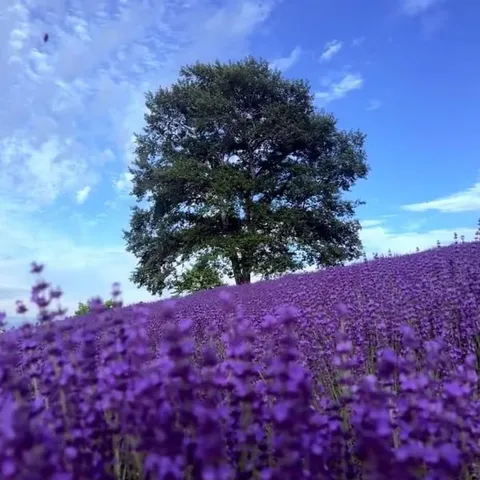
The average temperature in July is 22.8°C in Sapporo, 22.7°C in Asahikawa, and 22.1°C in Furano.
Pack light layers and you are set for Furano and Biei
What to wear
- Sun hat, sunglasses and a light long-sleeved layer for the open flower fields
- Thin layers, since Furano averages 22.1°C in July[1]
- Grippy trainers or light walking shoes for gravel roads and uneven paths
- A light waterproof shell and a pack cover for fast changes in the hills
What to pack
- Small notes and coins for farm stalls, garden kiosks and vending machines
- Your booking details on your phone, with a power bank to keep it alive
- Insect repellent, wipes and a light scarf for green farm country
- A refillable bottle, snacks and a spare pair of socks for a full day out
Hokkaido Weather in July: What the Fields Feel Like
Furano averages 22.1°C in July, a comfortable figure that still hides the difference between standing in open sun and sitting in shade.[1] A Hokkaido temperature in that band feels like a warm summer afternoon in a flower field and a cool one once the coach door closes or the light goes soft at the end of the day. The trick is to pack for the gap rather than for a single number. A traveller who dresses for the average spends the morning shivering on the coach and the afternoon hunting for shade, while a traveller who carries options is comfortable at every stop.
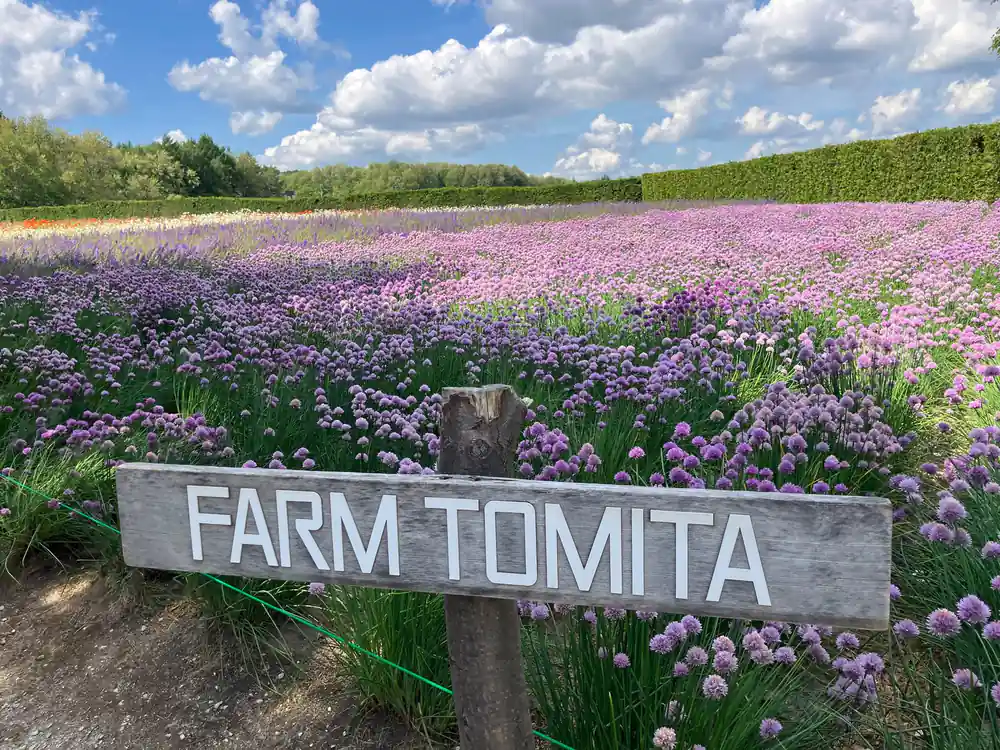
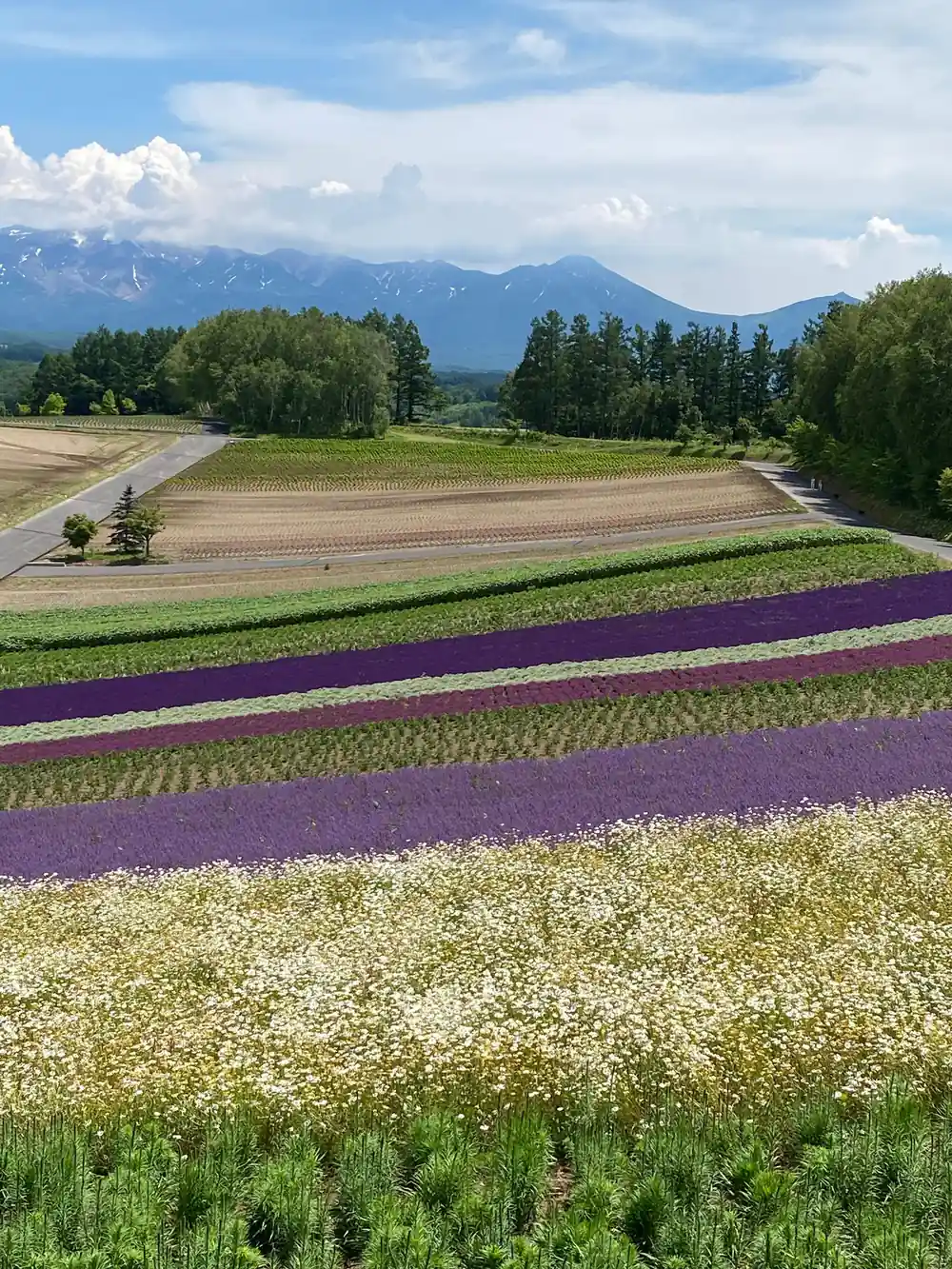
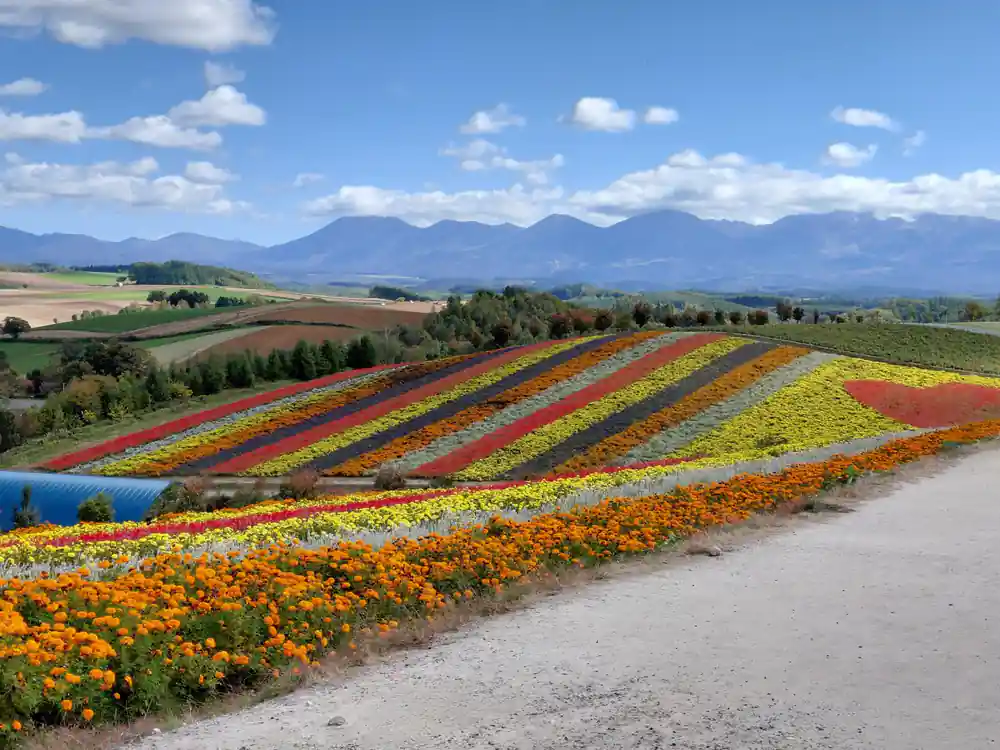
Lavender starts blooming from late June to mid-August, and those weeks set the rhythm of a summer visit here.[5] The two flower stops on a Furano and Biei day are big. Farm Tomita covers 29 hectares and welcomes over a million tourists annually, and Shikisai-no-oka spreads across fifteen hectares of Biei hillside.[6][7] Most of that ground is open and bright with very little shade. What you carry on your back ends up mattering more than what you leave in the coach, and the hours you spend walking between beds of flowers add up faster than most people expect.
Layering for Cool Mornings and Warm Afternoons
Early departures from Sapporo start in city air and end in farm country, and a day that begins cool can turn warm by the first flower stop. A light base layer, a thin mid layer such as a fleece or cardigan, and a packable outer shell cover almost every summer day in Furano and Biei. Wear the lightest of the three and carry the other two, so a warm field, a cool coach and a breezy pond stop all stay comfortable without a change of clothes. If you run warm, swap the fleece for a light long-sleeved shirt, and if you feel the cold, add a thin scarf for early starts.
Think about what you will actually do at each stop rather than what the hotel thermometer says in the morning. A day like this one moves through Patchwork Road, the Shirogane Blue Pond, Shikisai-no-oka, a local restaurant stop and Farm Tomita, and each of those places feels different.[2] You will stand in the open, walk on gravel, sit on a coach and eat indoors, often within a couple of hours. A scarf or a light neck gaiter is useful on the coach, and a second pair of socks at the bottom of the bag is a small comfort if your feet get damp in a shower.
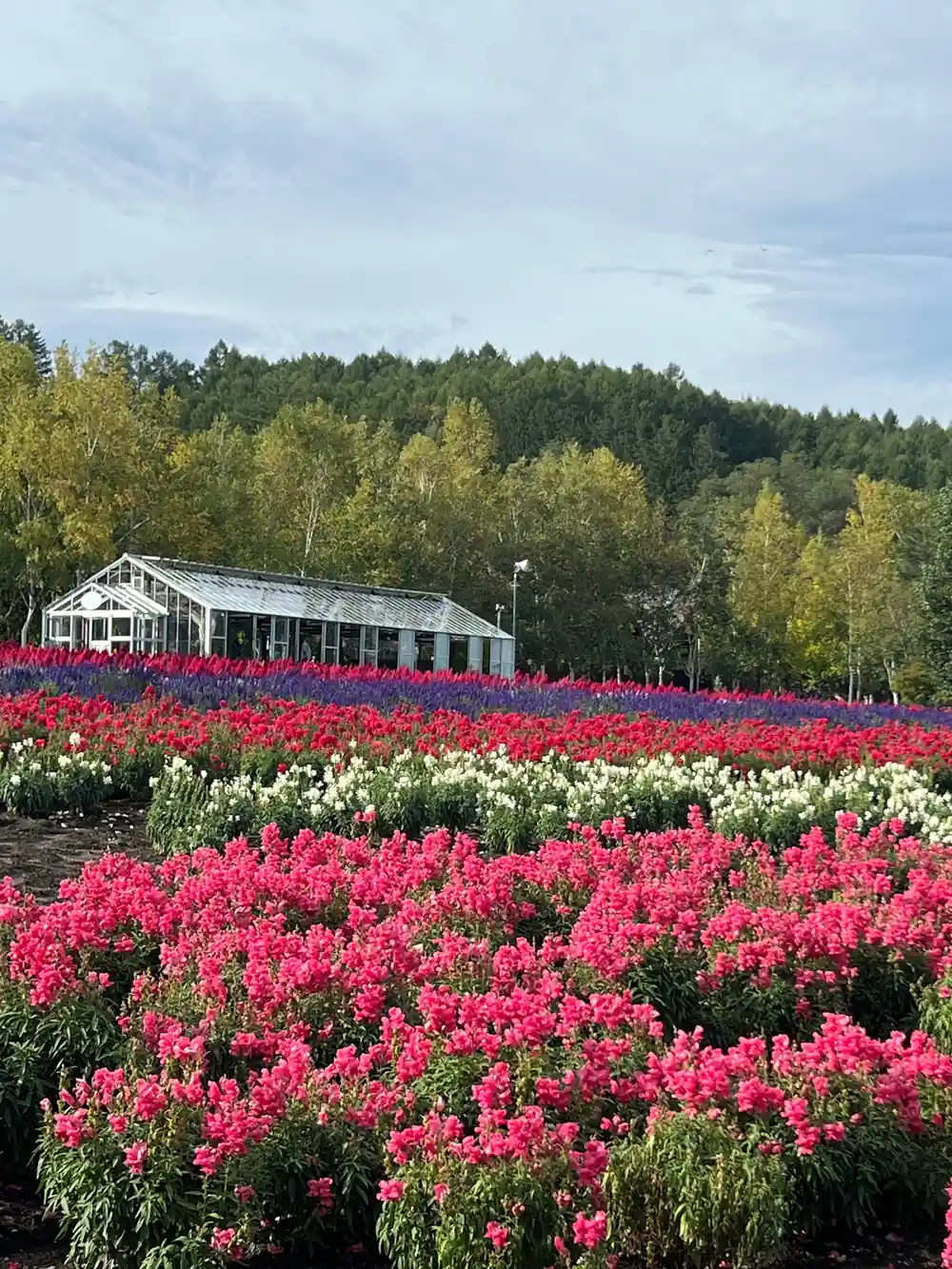
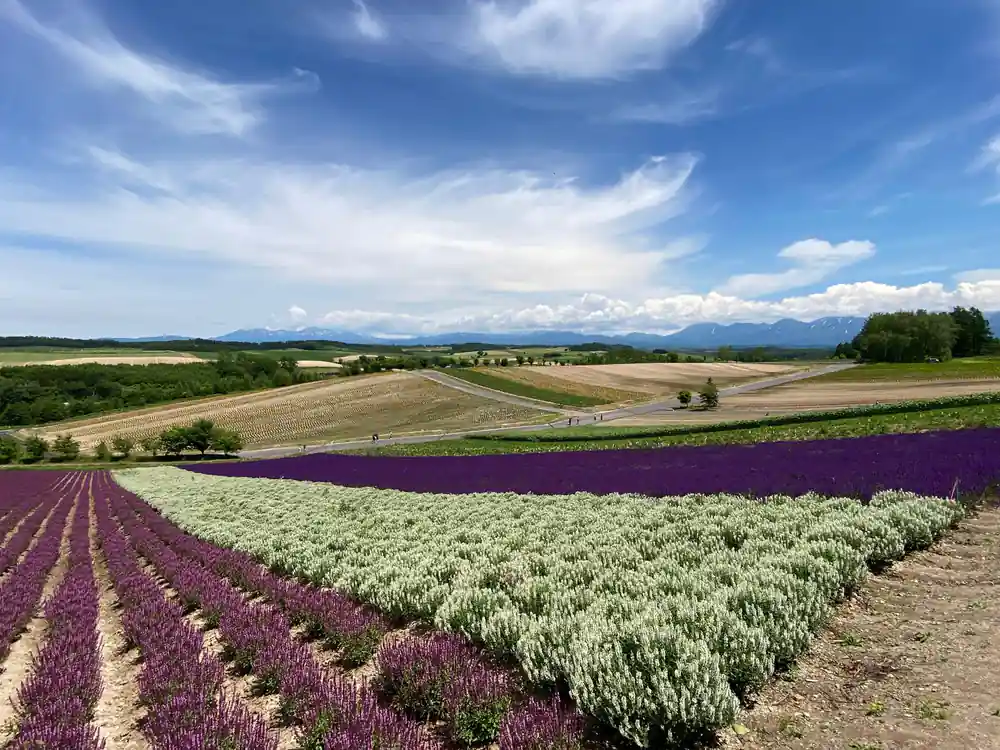
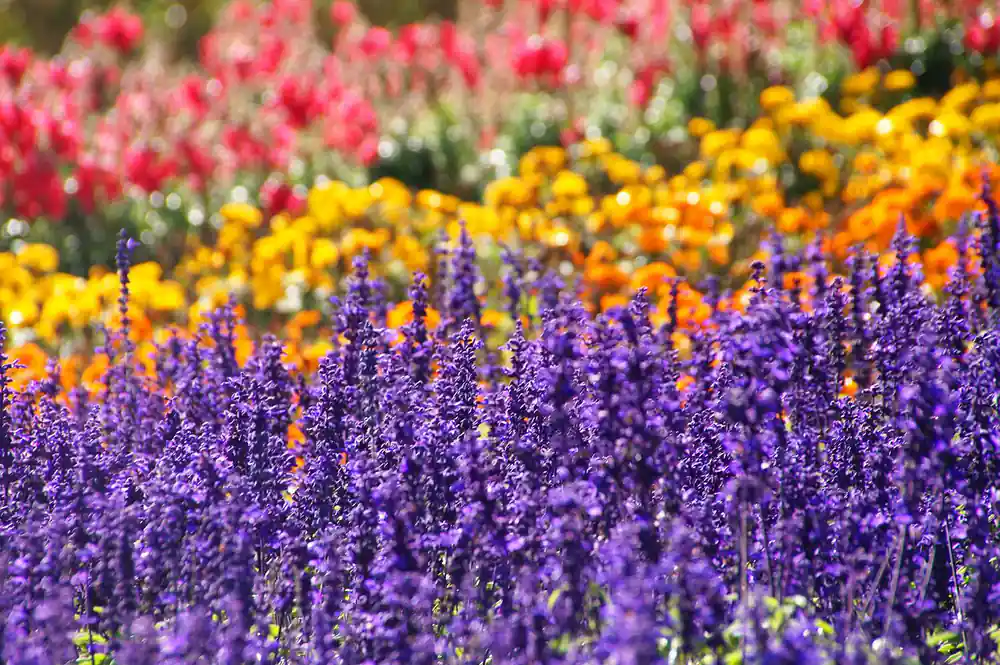
Lavender rows running out towards the hills above Furano
Footwear for Gravel Paths and Biei's Uneven Ground
The farm roads around Biei and the paths between the flower beds are mostly gravel, packed earth and mown grass, and some sections are uneven. Trainers or light walking shoes with a grippy sole are the practical choice for a day like this. Smooth dress shoes and open sandals make for a long afternoon, and heels are a poor match for a field. If you have ankle trouble, a slightly higher cut shoe with a supportive footbed is worth the extra weight, and socks that sit above the shoe line keep grit from working its way in. Paths can also be narrow, with people stopping to photograph every bed.
Rain at any point in the season can leave the tracks slick, so shoes with tread are worth the space in your bag. Quick-drying shoes and wicking socks help more than a heavy boot you will wear once. Bring a plastic bag for muddy footwear on the coach, and use the Farm Tomita stop to sit down and let your feet recover. If you are travelling with children, check their shoes too, because a loose sole or a worn tread shows up quickly on gravel, and tired feet are the fastest way to cut a good day short.
Rain Gear and Weather That Shifts Fast
A Hokkaido forecast for Biei and Furano can change between breakfast and your first stop, and the hills here make their own weather. A light waterproof shell that folds into its own pocket, a small umbrella and a pack cover solve most wet hours without adding much to a daypack. Cotton soaks and stays cold, while synthetic or wool layers keep working as you walk. Pack the shell at the top of the bag rather than at the bottom, so you can pull it on in seconds at the side of a flower bed.
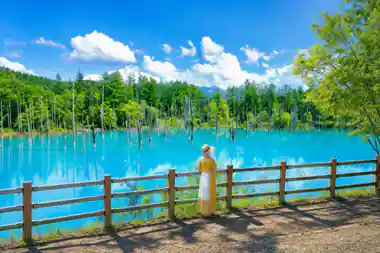
Rain also changes how the scenery reads. The Shirogane Blue Pond formed when emergency erosion-control dams backed up water after the December 1988 eruption of Mount Tokachi, and aluminium colloids suspended in the water scatter light to give it that turquoise colour.[8] Mount Tokachi itself stands at 2,077 meters above the valley, part of the volcanic country you drive through on the way to Biei.[9] A grey sky over the pond is still a good photograph, and a damp flower field smells of lavender, soil and cut grass. Bring a cloth for your lens and a dry bag for a phone you want to use one-handed.
from US$48
A Sapporo day trip through Patchwork Road, the Shirogane Blue Pond, Shikisai-no-oka, a local restaurant and Farm Tomita.[2]
Cash, Cards and Farm Stall Habits
Farm shops, garden kiosks and roadside stands are where a lot of the small treats live: lavender sachets, soft cream, melon, jam and fresh vegetables. Keep a small stash of notes and coins for those counters, plus a few coins for vending machines and lockers. Card payment is usual in most shops in Japan, but a field-side stall is not the place to discover that you need another option, and change also makes a quick purchase easier when a coach is waiting. A flat zipped pouch is easier to handle than a wallet you have to open with both hands.
Divide your cash between two places so a lost wallet does not end the day. Keep a little in a pocket you can reach without unpacking your whole bag, and leave the rest somewhere secure. If you plan to buy a melon, a box of lavender or a bag of roasted corn at Farm Tomita, having the right change ready keeps you moving when the coach is waiting. A handful of coins also covers a drink, a locker or a vending machine. Buying something small from a family stall is often the nicest souvenir of a trip like this.
Sun Protection, Insects and Skin Care in the Open Fields
The flower fields sit in the open with almost no shade to duck into, so sun protection earns its place early in the day. Sunscreen, a wide-brimmed hat, sunglasses and a light long-sleeved layer do more for comfort than anything else in your bag. Reapply sunscreen through the day, particularly after time near water at the Blue Pond or a long walk on gravel, and keep a small tube in your pocket rather than at the bottom of the pack. A lip balm with sun protection and a small after-sun cream are easy to forget and easy to use.
Insects belong to green farm country, especially near forest edges and still water. Ningle Terrace is a wood-cabin shopping area in the green forest of Furano, where the shops are lit up after sunset, and that kind of setting is where a repellent earns its place.[10] Bring a small repellent, antihistamine cream and a pack of wipes for sticky fingers. If your skin is sensitive, pack what you already use at home rather than experimenting on the road, and keep a light scarf in the bag for the evening.
Power, Photos and What to Keep in a Small Daypack
A full day out is a long time for a phone. Maps, tickets, photos and a translation app all draw on the battery, and a coach window seat is no place to watch it fall. A power bank, a short charging cable and a car adapter keep a phone and a camera alive from the first stop to the last. Turn the screen brightness down, close background apps and keep the phone out of the sun when you are not using it. A small camera with a spare battery is still the most reliable way to photograph a flower field.
Keep the daypack light enough to carry for hours. A refillable bottle, a few snacks, a rain shell, sunscreen, a hat, insect repellent, a spare pair of socks, tissues and a lens cloth cover nearly everything, and the rest can stay at the hotel. Charge batteries the night before, and set out what you need in one place so the morning is calm. The day runs through Patchwork Road, the Shirogane Blue Pond, Shikisai-no-oka, a local restaurant and Farm Tomita before the drop-offs at the end of the day.[2]
Sapporo day tours with Furano and Biei stops, from-prices
Every bar is a from-price in US dollars for a Sapporo day tour listing:[2][3][11][12]
Compare day tour from-prices
Amounts are US dollar from-prices of these GetYourGuide listings:[2][11][12].
When to go and book for Furano and Biei
Packing, step by step
Check the season first
Lavender blooms from late June to mid-August, and that decides which bag you need.[5]
Build three thin layers
A light base layer, a thin fleece and a packable shell handle a warm field, a cool coach and a long day on your feet.
Sort out your feet
Choose shoes with tread for gravel farm roads, and add a spare pair of socks for the bottom of the bag.
Add sun, rain and bugs
Sunscreen, a hat, sunglasses, a small umbrella, insect repellent and a pack cover handle the hours outdoors.
Pocket the small things
Tuck in small notes for farm stalls, a power bank and cable, and a cloth for your camera lens or phone.
Ride the Furano and Biei flower route from Sapporo
from US$48Reserve now & pay later