What to remember
- Lavender at Farm Tomita, the flower beds at Shikisai No Oka, the patchwork hills of Biei and the blue pond all sit within a day of each other.
- Lavender starts blooming from late June to mid-August, so aim for the middle of that window if colour is the priority.[1]
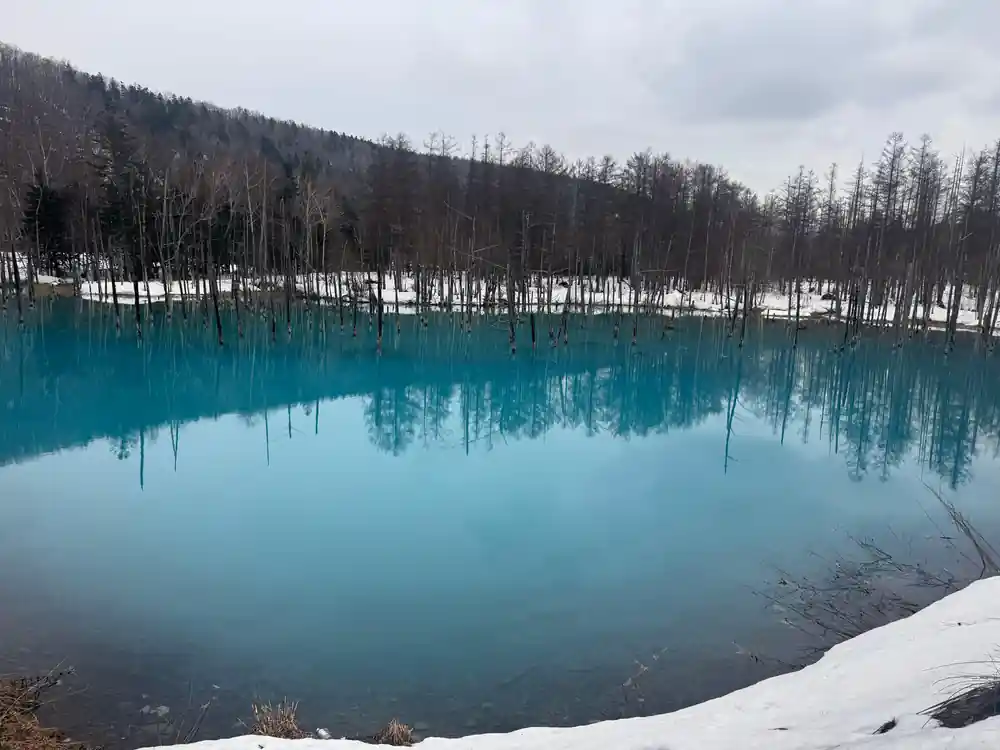
- The Shirogane Blue Pond formed after the December 1988 eruption of Mount Tokachi and takes its colour from suspended aluminium colloids.[2]
- Furano is about a two hour drive from Sapporo using the Doo Expressway between Sapporo and Mikasa, which makes a day trip realistic.[3]
- The Colored Hokkaido tour runs 1 day from US$48, with a live guide and free cancellation up to 24 hours in advance.[4]
- Top choice Colored Hokkaido day tour from US$48 Duration1 day[4]LanguagesEnglish, Chinese, Japanese, KoreanRating4.56 from 122 reviews[4]CancellationCancel up to 24 hours ahead[4]Main stopsPatchwork Road, Blue Pond, Farm Tomita Check availability
- Biei Furano flower sea from US$43 Duration10 hours[5]LanguagesChinese, English, Japanese, Traditional ChineseRating4.76 from 51 reviews[5]CancellationCancel up to 24 hours ahead[5]Main stopsBiei, Furano, Shikisai No Oka, Farm Tomita See this tour
- Hokkaido highlights trip from US$56 Duration10 hours[6]LanguagesChinese, English, JapaneseRating4.55 from 87 reviews[6]CancellationCancel up to 24 hours ahead[6]Main stopsCape Kamui, Otaru Canal, Shiroikoibito Park See this tour
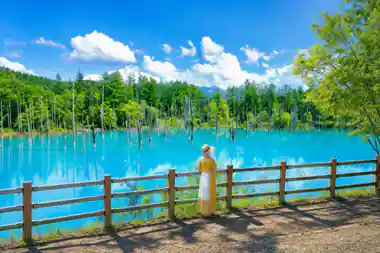
The December 1988 eruption sent volcanic mudflows down the Biei River, forcing emergency erosion-control dams whose backed-up water became the pond. Aluminium colloids suspended in the water scatter light, producing the distinctive turquoise hue seen in Shirogane Blue Pond .
Is a Furano day tour worth it?
Pre-booking checklist
- Pick your dates around the lavender window if flowers are the main reason for the trip.
- Sort the tour before accommodation, as coach seats and rooms both fill in the flower season.
- Listings show from-prices, so check the final total at checkout for your group size and date.
- Small-group and private options exist if you prefer fewer people and a slower pace.
On the day
- Leave early so you reach the flower fields before the middle of the day.
- Bring sun protection and water; the fields are open and shade is scarce.
- Take a light layer for the evening and for the cooler Biei hills.
- Stay on marked paths, keep out of the crops and take your litter with you.
What to Do in Furano: An Overview
Furano sits in a broad basin of farmland in central Hokkaido, ringed by low hills that change colour as the crops come and go through the season. The town itself is quiet and walkable, but the countryside around it holds what most travellers come for: long rows of lavender on a working farm, striped hillsides of wheat and potatoes, a pond that really is blue, and a waterfall fed by groundwater seeping from a rock face. Almost everything worth seeing is spread along rural roads rather than packed into a village, so a day here works best with some form of transport, whether that is a hire car, a taxi or a seat on a coach tour from Sapporo.
A single loop from Sapporo can take in the patchwork hills of Biei, the blue pond and the flower fields around Furano before the evening drive home. Coach and van tours run this route in season, with pick-up in Sapporo and drop-off at the end of the day, which takes the parking and navigation problems out of your trip. If you have more than a day, staying overnight turns a rushed circuit into a slow one. The famous fields tend to be quieter in the early morning and again in the last hour of light, and the light itself is softer then, which matters if you are taking photos.
Farm Tomita and the Lavender Calendar
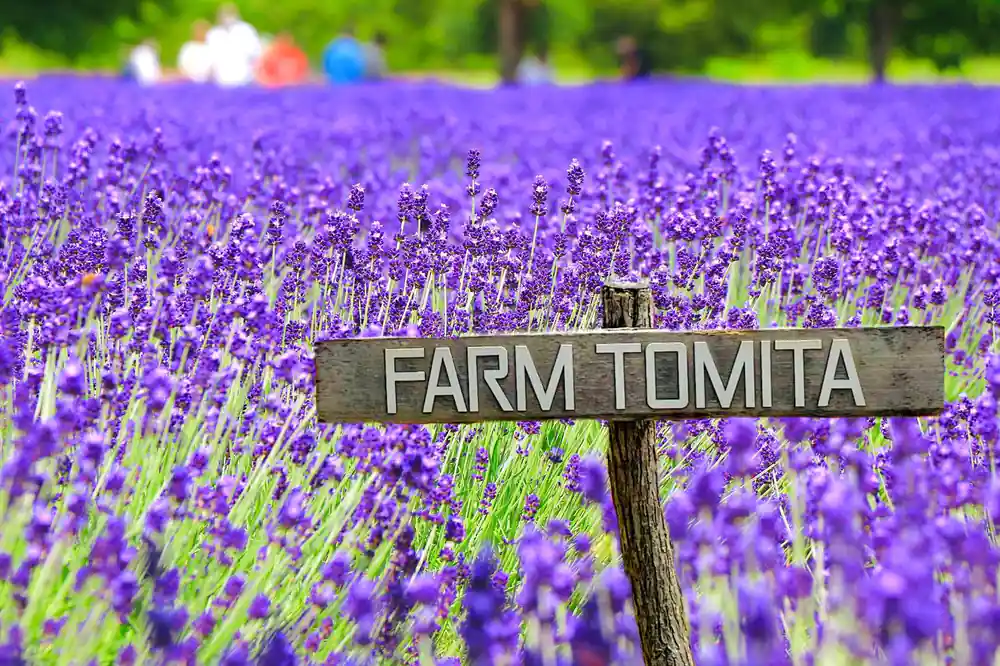
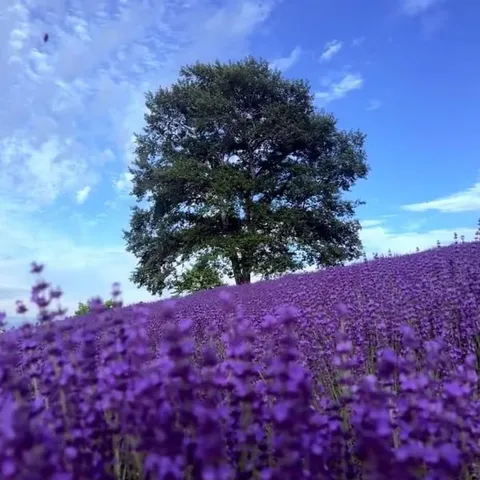
Lavender starts blooming from late June to mid-August, and those weeks set the rhythm for everything around Furano.[1] Farm Tomita is the flower farm on most lists, and it is a serious working operation rather than a small garden. It was almost doubled in size to 29 hectares with the addition of Lavender East, and it welcomes over a million tourists annually, which gives you a sense of how busy the main paths can be when the colour is at its peak.[7] Go early in the day if your schedule allows, and keep an eye on the beds furthest from the entrance, where the crowds thin out quickly.
Lavender has been cultivated in Hokkaido since the 1940s, so the Furano landscape has been shaped by the crop for generations.[8] The fields are planted in long bands, and the colour reads best from a distance, where the rows line up into stripes against the hills. Close up you get the scent, strongest on still, cool mornings, and the small details of hedges, farm buildings and drying racks. Farm shops sell lavender oil, soap, dried bunches and soft ice cream, so leave a little time and a little room in your bag for the stop.
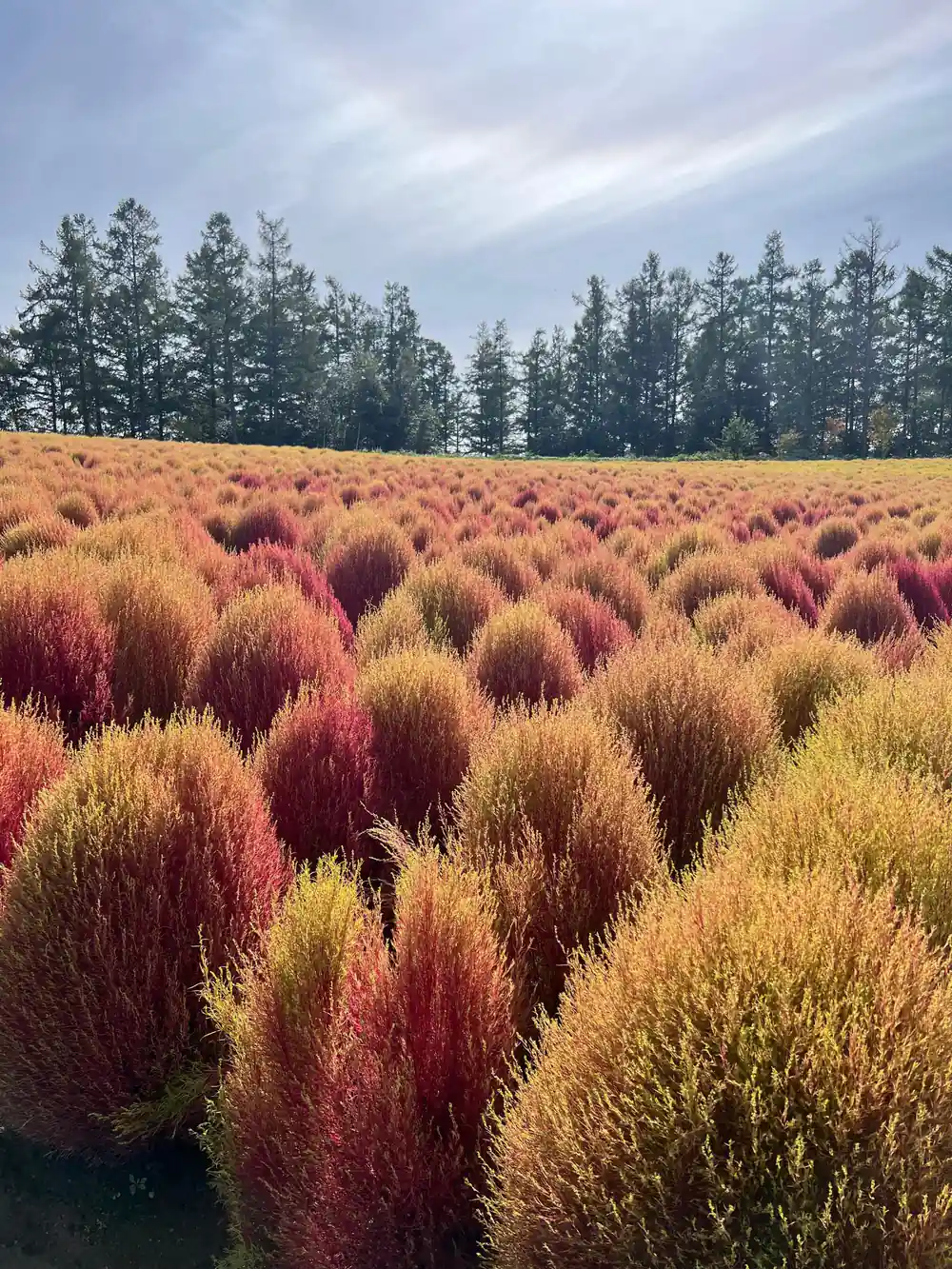
Lavender rows at Farm Tomita, with the hills of Furano behind them.
Shikisai No Oka and the Biei Flower Fields
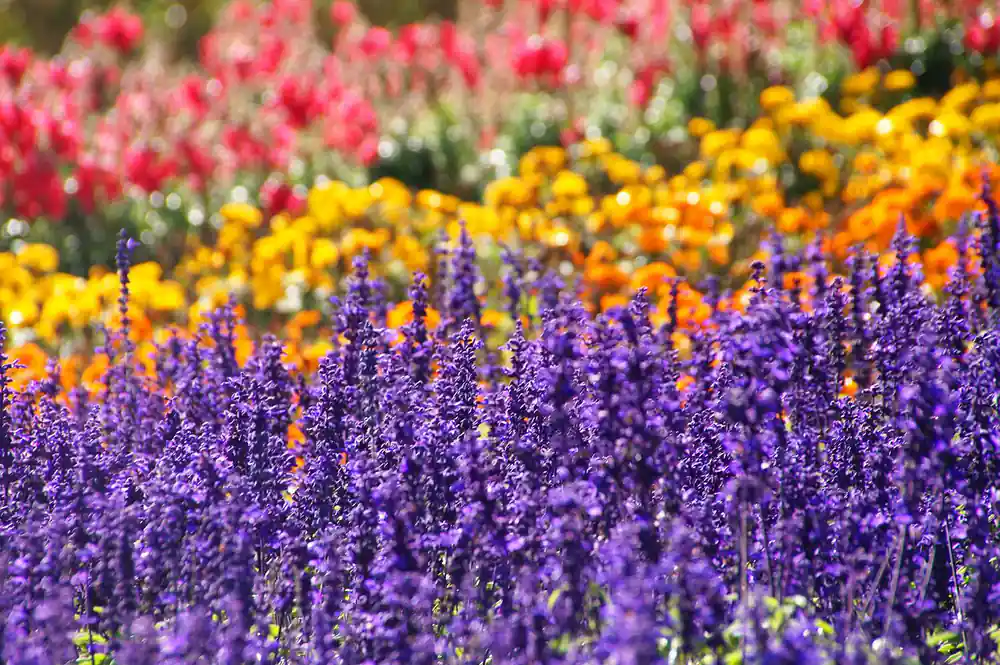
Shikisai-no-oka is a panoramic flower garden in Biei that covers fifteen hectares of land.[9] Where Farm Tomita is known for one crop, this garden is known for many, planted in ribbons that run down the slope so the whole hillside reads like a quilt from the top. Paths lead up and along the ridge, and there is a shop and a place to eat near the entrance. It works neatly as a stop between Biei and Furano, and because the beds are replanted as the season turns, the view you get is never quite the same from one visit to the next.
The farmland around it is just as rewarding. Driving, cycling or walking these farm roads offers constantly shifting views of golden wheat, purple potato flowers, green bean fields and brown plowed earth, with farmhouses and barns punctuating the scene.[10] The roads are public, but the fields are not, so stay on the edges, keep out of the crops and pull over only where another car can pass. Mornings often bring mist in the valleys and afternoons bring clearer air, and a slow loop with a few stops beats trying to tick off every viewpoint on a list.
Shirogane Blue Pond and Shirahige Waterfall
The Shirogane Blue Pond was created when emergency erosion-control dams backed up water after the December 1988 eruption of Mount Tokachi, and it appears blue because suspended aluminium colloids scatter light.[2] Pale dead larch trunks stand upright in the water, and the surface colour shifts with the weather and the time of day, from milky turquoise under cloud to a deeper blue when the sky is clear. It is a short walk from the car park to the fenced viewing areas, and the pond is small enough to see properly in half an hour, though most people stay longer.
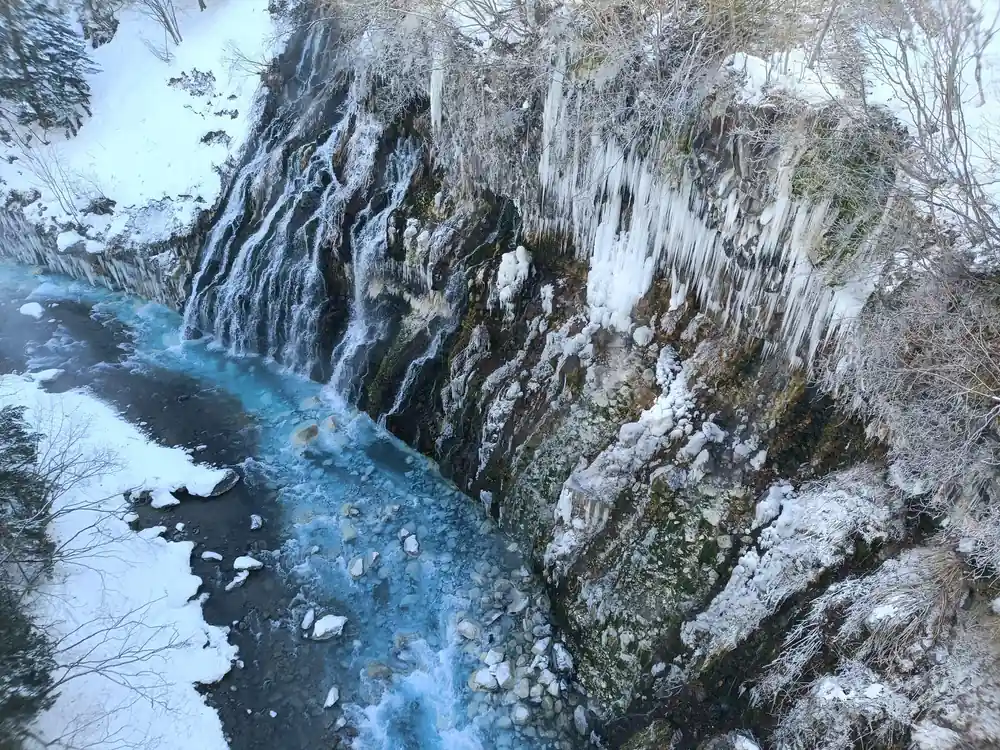
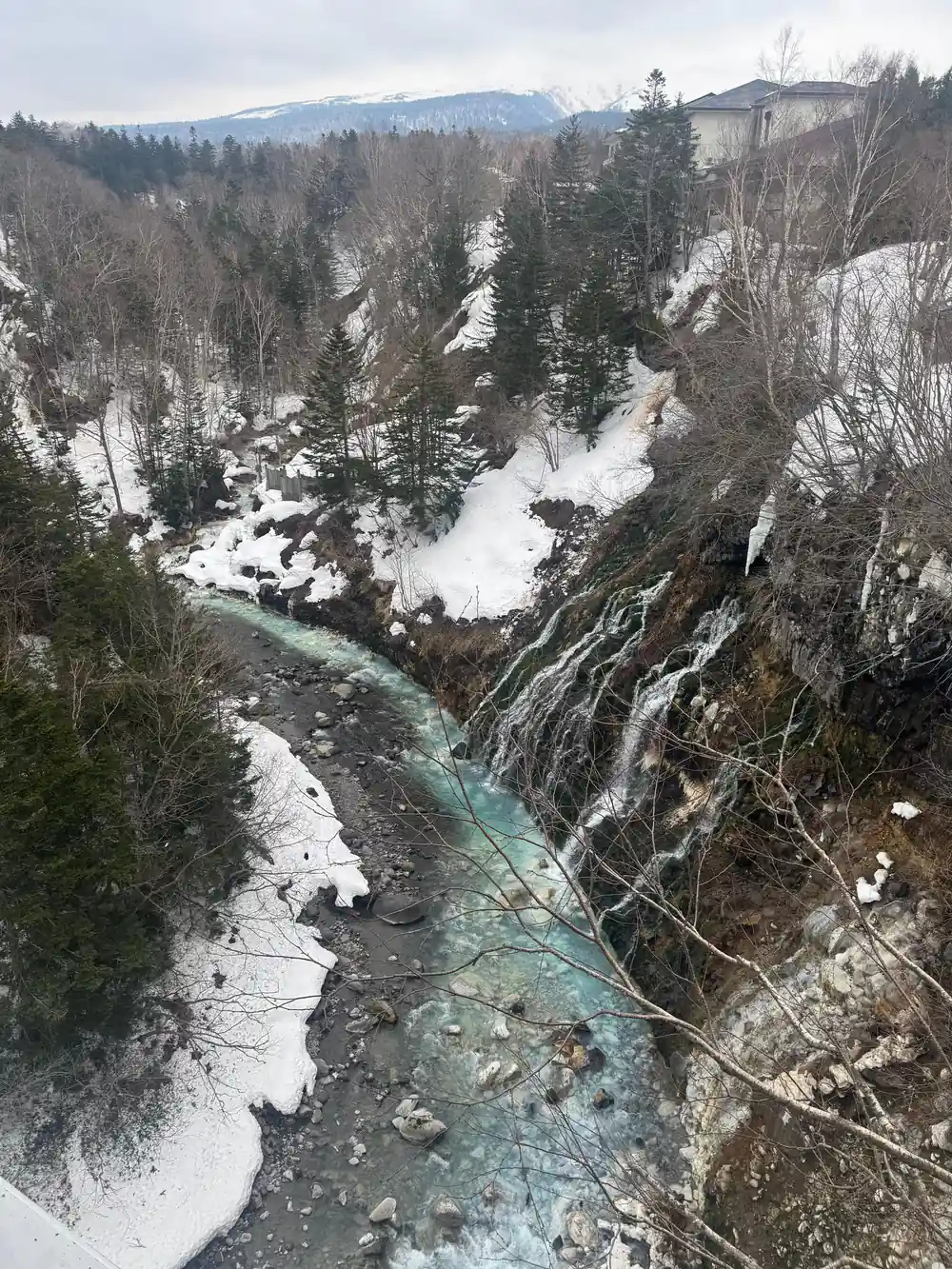
A few minutes down the road, Shirahige Waterfall pours into the same river system that feeds the pond. Groundwater seeping from the rock face plunges about 30 metres to the river below.[11] The spray and the pale blue of the water give the falls their name, and a bridge and viewing area put you close enough to feel the cool air rising. Above it all stands Mount Tokachi at 2,077 meters, the peak that dominates the skyline here.[12] Both stops sit close together on the road between Biei and the Furano turn-off, which makes them easy to pair on the same outing.
from US$48
A Sapporo day tour through Patchwork Road, Blue Pond, Shikisai No Oka and Farm Tomita, with a live guide.[4]
Patchwork Road and Ningle Terrace
The area around the Seven Stars Tree in Biei is known as Patchwork Road, where different crops are planted in each plot, forming Biei's iconic scenery.[13] It is not a single sight with a gate and a ticket desk; it is a stretch of ordinary farm roads that you travel slowly, stopping where the view opens up. The trees along the route are signposted, and the low afternoon light is kind to the fields. Remember that this is a working landscape, so keep off the crops, respect driveways and machinery, and take your rubbish away with you.
At the other end of the day, Ningle Terrace is a shopping area in the green forest of Furano, where shops take the form of wood cabins that are lit up after sunset.[14] It is an easy hour or two: browse the craft cabins, watch someone at work, buy something small and locally made, and follow the gravel path between the trees. Because the cabins are lit in the evening, it pairs naturally with a late finish to the day, and it sits close to the Furano accommodation area, which makes it a comfortable stop before dinner rather than a detour.
Getting to Furano and Biei from Sapporo
Furano is about a two hour drive from Sapporo using the Doo Expressway between Sapporo and Mikasa.[3] Add the stops at Biei and the flower fields on top of that and it becomes a long day out. A guided coach or van tour collects you in Sapporo, works through the viewpoints in a sensible order and drops you back in the evening, so nobody has to drive home tired. If you are driving yourself, plan for an early start, fuel and food before you leave the city, and rural car parks that fill quickly once the flower season is under way.
The Colored Hokkaido: Furano Flower & Biei Blue Pond From Sapporo tour is a full day out from Sapporo with stops at Patchwork Road, Shirogane Blue Pond, Shikisai No Oka, a local restaurant and Farm Tomita.[4] It runs from US$48, and there is a live guide in English, Chinese, Japanese and Korean.[4] Free cancellation up to 24 hours in advance, and the option to reserve now and pay later, make it simple to hold a place while your dates settle.[4] If you would rather travel in a smaller group, other Sapporo departures cover much of the same ground.
When to Go, What to Pack and Where to Sleep
July is the softest month to be out in the fields. The average temperature in Furano in July is 22.1°C, warm enough for shirt sleeves but rarely heavy, and the long daylight hours mean you can walk the rows well into the evening.[15] Sun is strong in the open fields, so bring a hat, sun cream, sunglasses and water, plus a thin rain layer, because showers move through the hills quickly. A light jacket earns its place after sunset, and comfortable closed shoes handle dust, gravel, farm tracks and the short walks at the pond and falls.
Furano's population is approximately 26,000 including the incorporated communities in the outskirts, while the main municipal area is said to be about 16,000, so this is a small town with a limited number of rooms in the flower season.[16] Book accommodation and any tour well ahead if you are tied to particular dates. If you visit in winter instead, snow arrives in volume: Furano recorded 158 cm of cumulative snowfall in the first two weeks of December in one season, on top of 45 cm that fell in November.[17] Whatever the season, check conditions before you set out and dress for the day you actually get.
Day tour from-prices from Sapporo
From-prices in US dollars for the Colored Hokkaido, Biei Furano Flower Sea and Hokkaido Highlights day tours.[4][5][6]
What a Sapporo day tour costs
US dollar from-prices for the Sapporo day tours listed.[4][5][6][18]
When to go to Furano
How to plan a Furano day
Choose your season
Lavender starts blooming from late June to mid-August, and the patchwork hills change colour as the crops turn.[1]
Book the day tour
A Sapporo coach tour handles the driving and the stops, with pick-up in the city and drop-off at the end of the day.[4]
Start early
Coaches reach the flower fields before the busiest hours, so an early departure usually means quieter paths.
Pack for the weather
Furano averages 22.1°C in July, so bring sun protection, a light rain layer and shoes that handle farm tracks.[15]
Consider a night there
Staying overnight lets you see the fields in evening light after the day tours have gone.
Ride from Sapporo to the Furano flower fields and Biei blue pond
from US$48Reserve now & pay later