What to remember
- Lavender starts blooming from late June to mid-August. Outside those weeks the Furano and Biei hills still have colour, just not the lavender rows.[1]
- Farm Tomita spans 29 hectares and welcomes over a million tourists annually, and it is a stop on the Sapporo day tour.[2][3]
- The average temperature in Furano in July is 22.1°C, which is mild walking weather for the flower fields and the farm roads.[4]
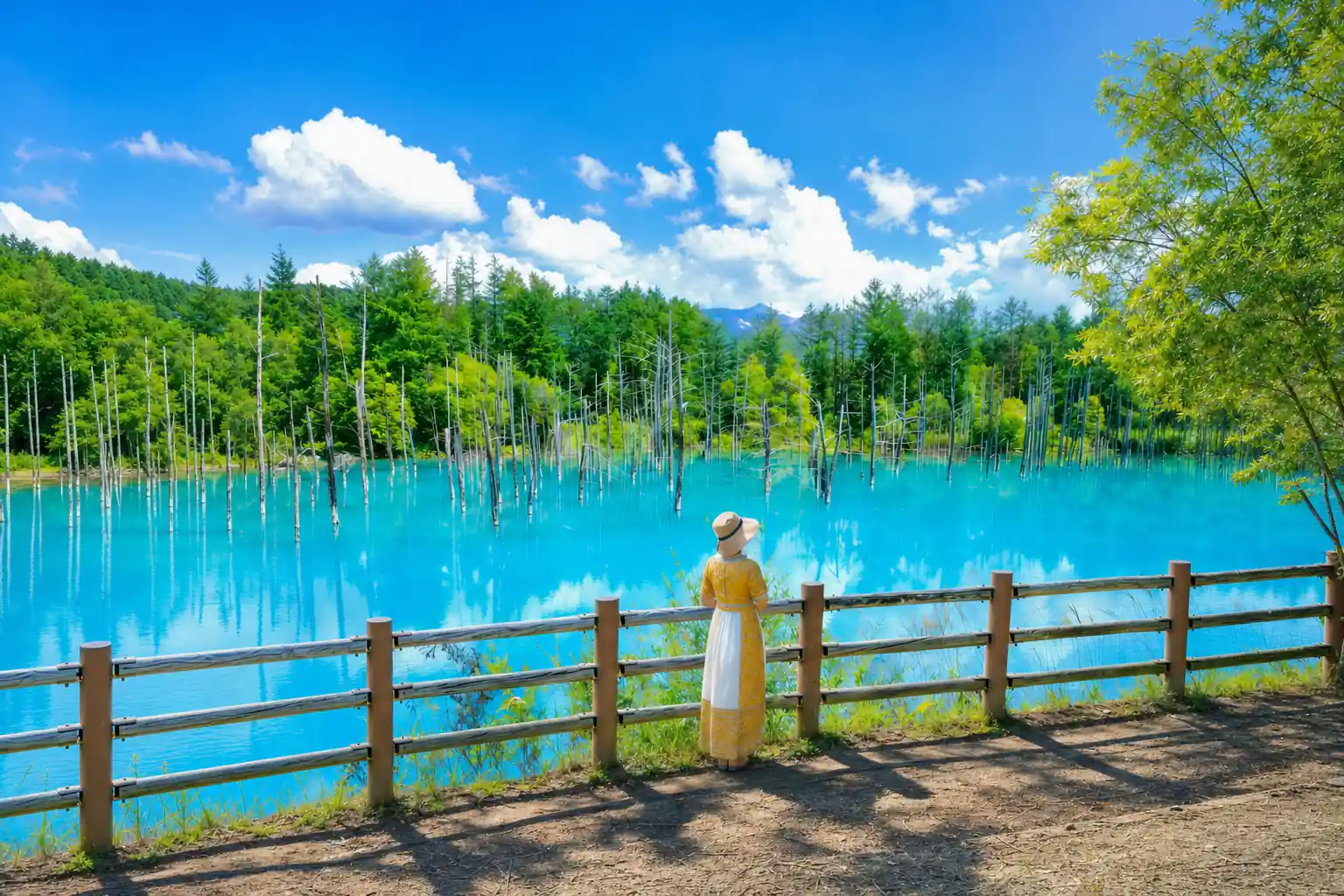
- The Shirogane Blue Pond was created when emergency erosion-control dams backed up water after the December 1988 eruption of Mount Tokachi.[5]
- Furano is about a two hour drive from Sapporo using the Doo Expressway between Sapporo and Mikasa, and coach day tours cover the route in one day.[3][6]
- Top choice Furano, Biei and Blue Pond from US$48 Duration1 day[3]Rating4.56 from 122 reviews[3]Language optionsEnglish, Chinese, Japanese, Korean[3]Key stopsBlue Pond, Shikisai-no-oka[3]CancellationFree cancellation up to 24 hours[3] Check availability
- Biei Furano Flower Sea Tour from US$43 Duration10 hours[7]Rating4.76 from 51 reviews[7]Language optionsChinese, English, Japanese[7]Key stopsBiei, Furano, Farm Tomita[7]CancellationFree cancellation up to 24 hours[7] See this tour
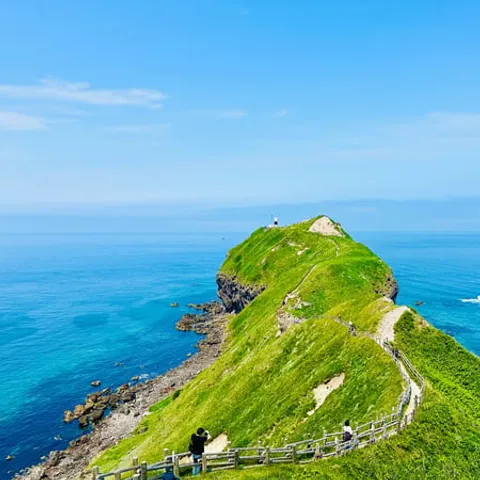
- Hokkaido Highlights from US$56 Duration10 hours[8]Rating4.55 from 87 reviews[8]Language optionsChinese, English, Japanese[8]Key stopsCape Kamui, Otaru Canal[8]CancellationFree cancellation up to 24 hours[8] See this tour
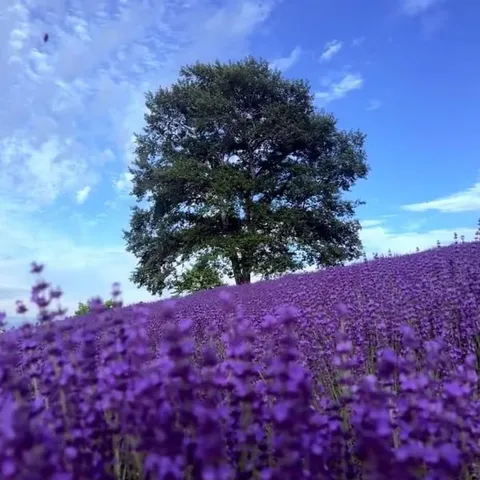
Lavender starts blooming from late June to mid-August.
Is the Furano and Biei flower day tour worth it?
Pre-booking checklist
On the ground
Early Spring: Before the Lavender Fields Open
Early spring in Furano is a shoulder season. The last snow patches are still melting off the fields, the farm machinery is out on the rows, and the hills are bare soil and new green shoots rather than flowers. Lavender has been cultivated in Hokkaido since the 1940s, and the farms around Furano and Biei have spent the decades since tuning their planting to a summer that arrives late and leaves quickly.[10]
If you visit Sapporo outside the blooming window, treat the trip as a landscape day rather than a flower day. Furano is about a two hour drive from Sapporo using the Doo Expressway between Sapporo and Mikasa.[6] A coach day trip covers that distance without you planning a route, and the drive is part of the day as the hills open up behind you.
Pack for changeable weather. Spring here swings between warm sunshine and a cold wind, and a waterproof outer layer earns its place in your bag on almost every day of the month. Farm shops and greenhouses give you somewhere to duck into when a shower passes, and the first plants of the season are already on sale.
June: The Furano Lavender Fields Begin to Bloom
Lavender starts blooming from late June to mid-August, so the first colour reaches the rows around Furano in the final days of June.[1] Buds open on the earliest varieties while the rest of the field is still green, so a visit at the very start of the window catches the change as it happens, with the fields part green and part purple.
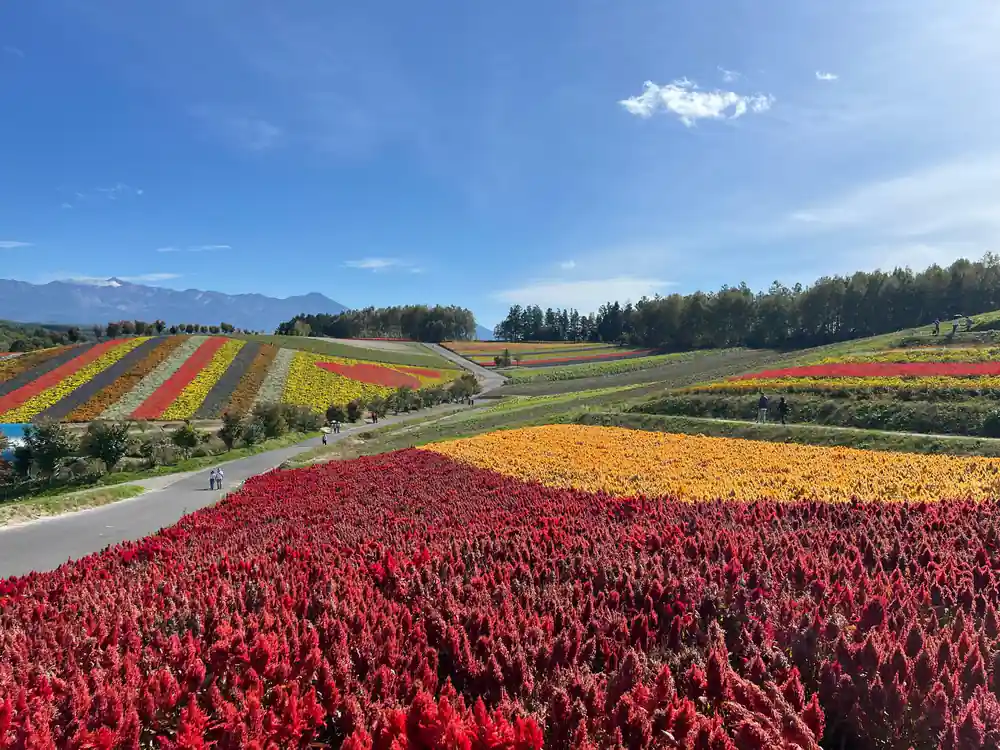
The patchwork hills around Biei show golden wheat, purple potato flowers, green bean fields and brown plowed earth as the crops come on at different times, so the colours change along every farm road you take.[11] Bring a rain shell and a warm layer, because the weather turns quickly and the fields offer little shelter.
Guided day trips from Sapporo run through the season with a live guide in English, Chinese, Japanese and Korean, and the Furano and Biei route calls at Patchwork Road, Shirogane Blue Pond, Shikisai-no-oka, a local restaurant and Farm Tomita.[3] For a first visit, that covers the headline sights of the region in one day and leaves the rest of your trip free for Sapporo itself.
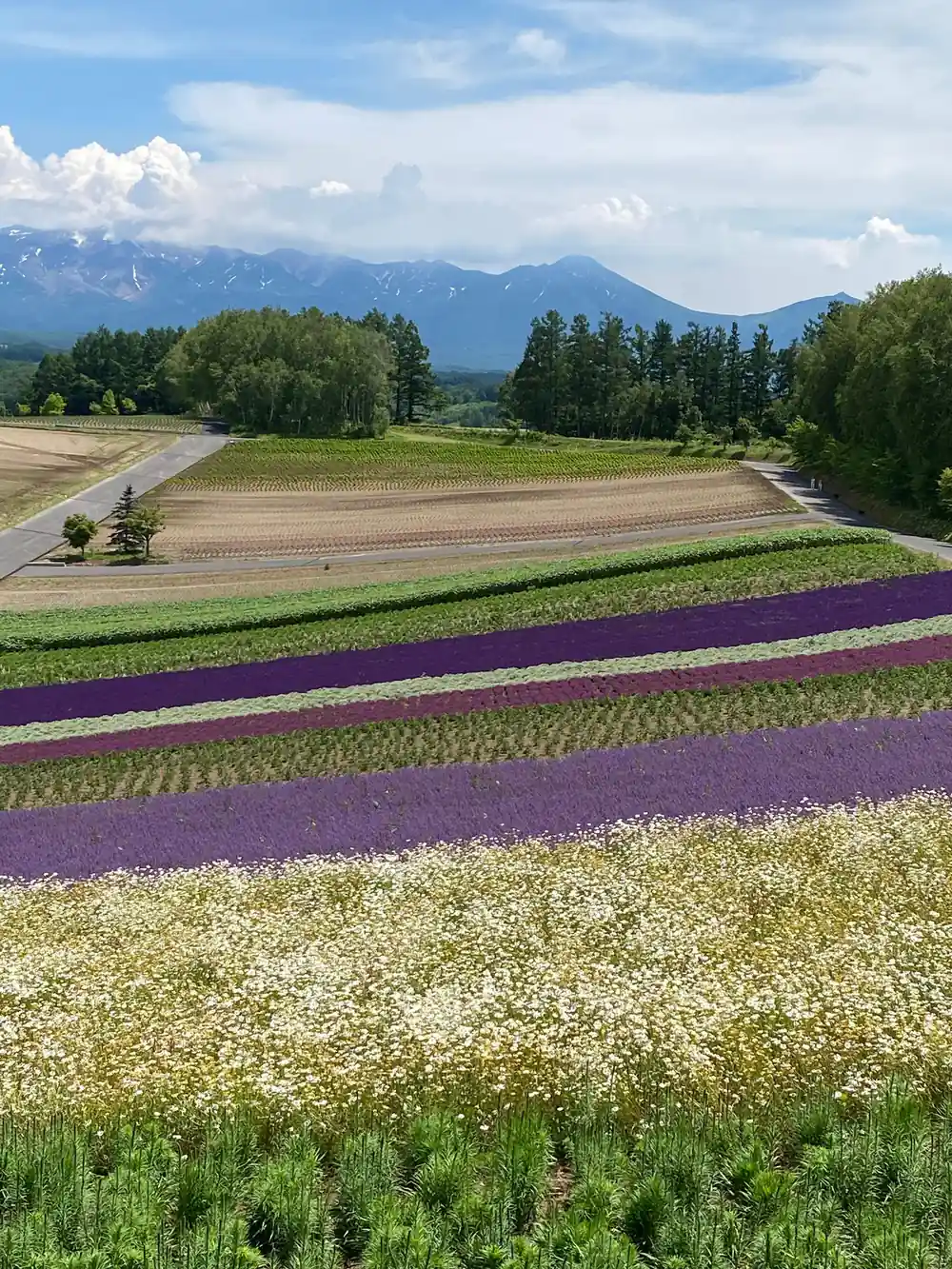
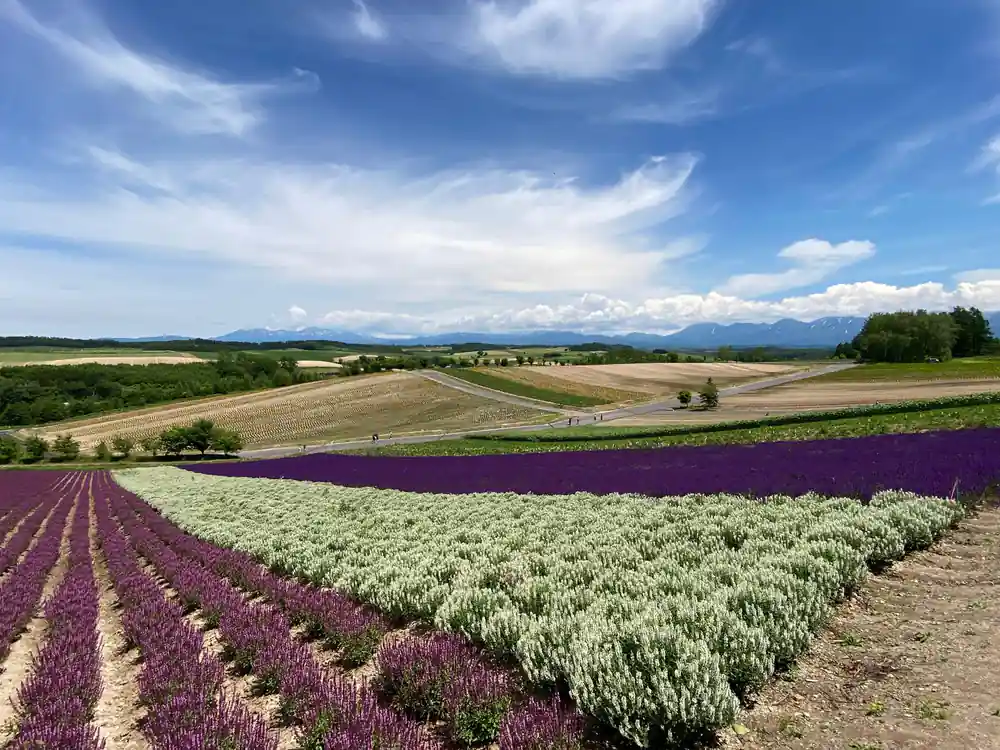
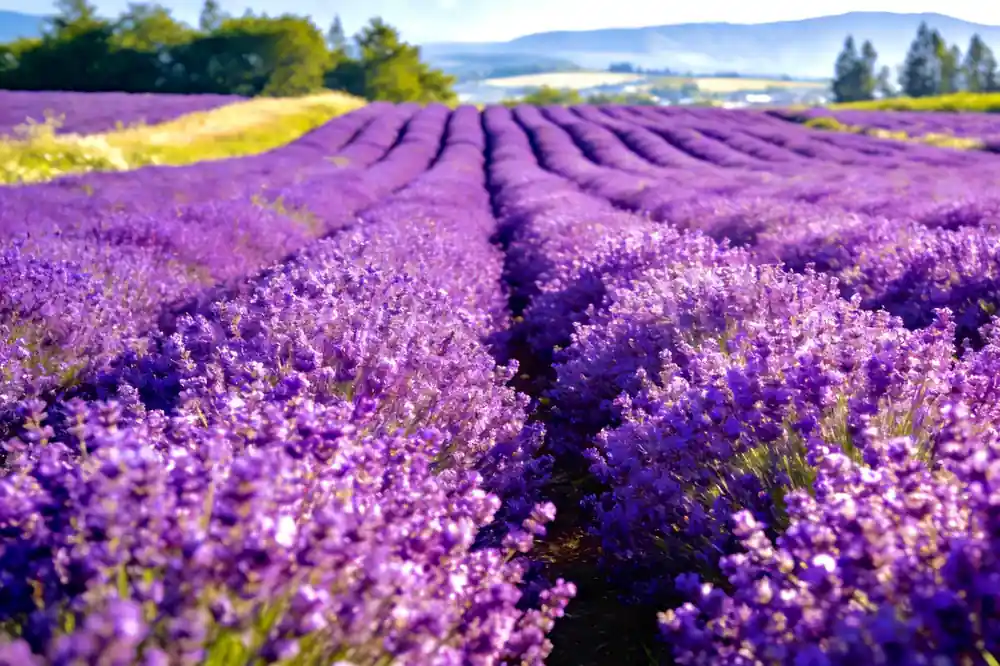
Lavender rows at Farm Tomita in high summer
July: Peak Lavender Purple and Maximum Visibility
July sits inside the blooming window that runs from late June to mid-August, and the average temperature in Furano in July is 22.1°C.[1][4] That is mild, comfortable walking weather rather than a heatwave, and the long northern daylight means you can spend a whole afternoon among the rows and still have light left for the drive back.
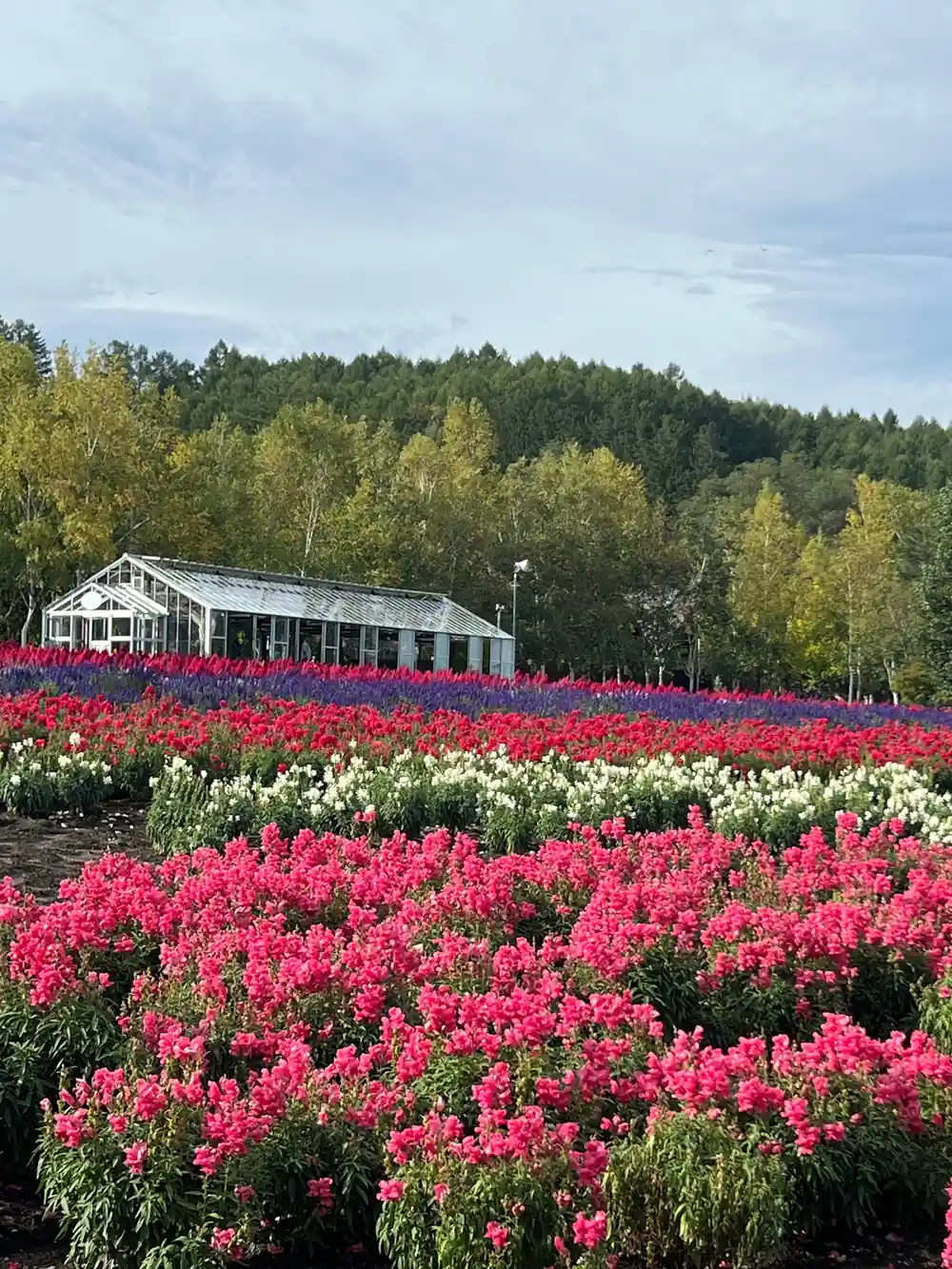
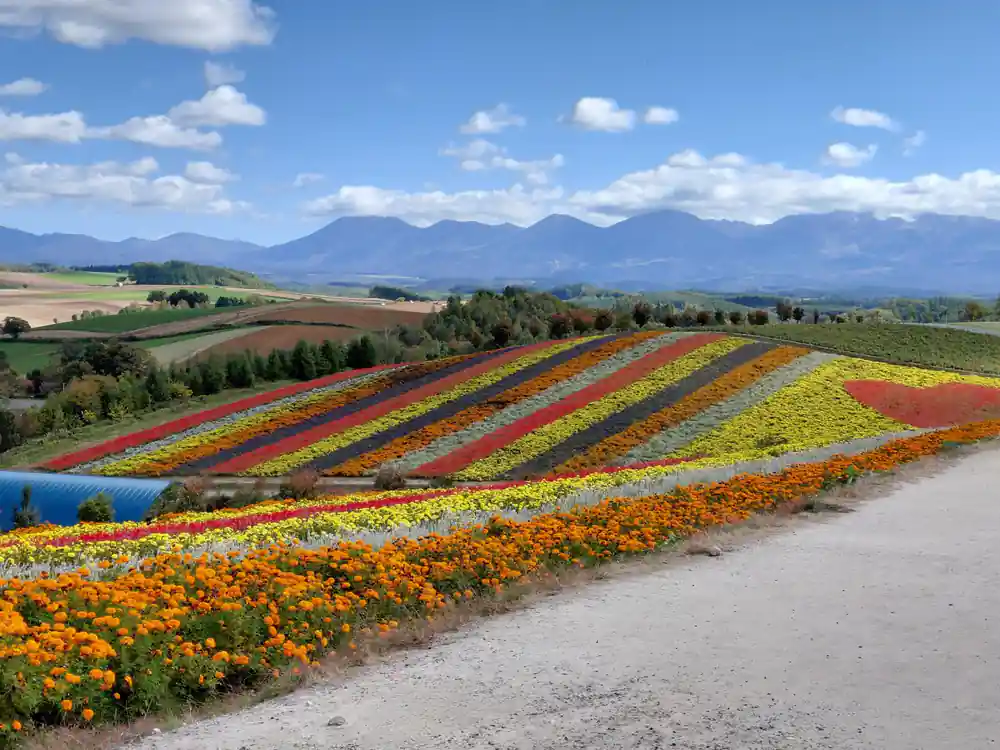
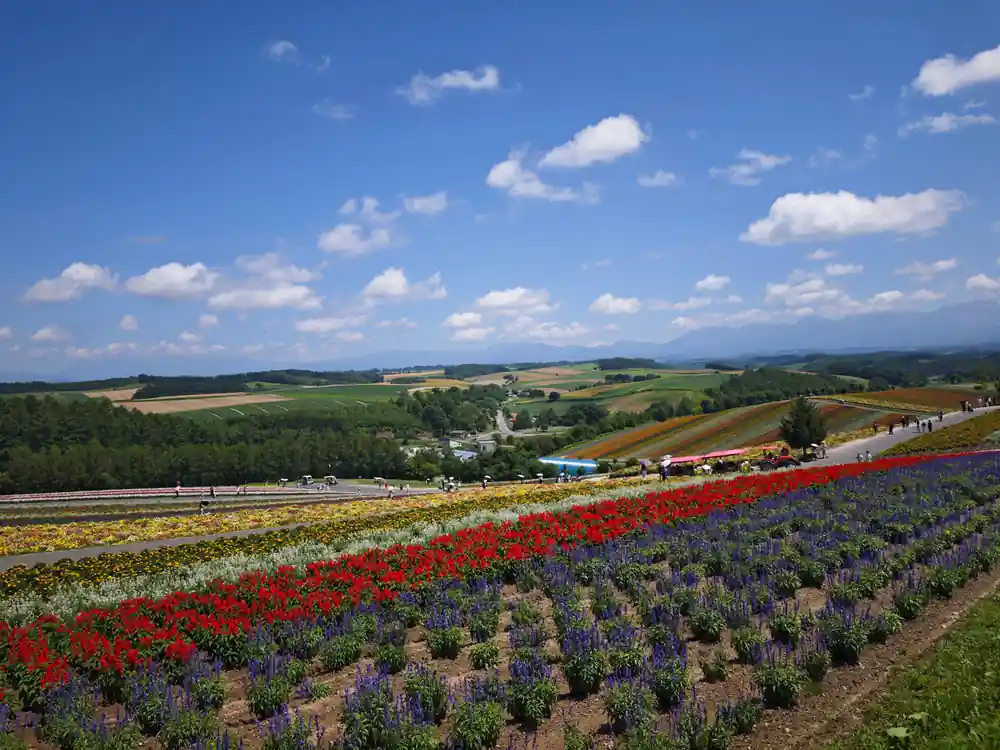
Farm Tomita is the headline stop. It spans 29 hectares after doubling in size in 2008 with the addition of Lavender East, and it welcomes over a million tourists annually.[2] Nearby, Shikisai-no-oka is a panoramic flower garden in Biei that covers fifteen hectares of land.[12] Between them you get the picture most people carry home: flower stripes running across the hills with mountains standing behind them.
The patchwork hills are at their best in midsummer too. The area around the Seven Stars Tree is known as Patchwork Road, where different crops are planted in each plot, forming Biei's iconic scenery, and the colours shift as you move along the farm roads: golden wheat, purple potato flowers, green bean fields, brown plowed earth.[11][13] Take water, a hat and sun cream, and expect bright, flat midday light over the fields.
August: The Harvest Cut and What Replaces Lavender
Lavender blooming ends in mid-August, and the farms then cut and dry the rows.[1] The purple fades quickly once cutting starts, so the early part of the blooming window is your last dependable stretch for full colour. If you are wondering when the lavender fields finish, the harvest itself is the signal, and the exact day moves with the season each year.
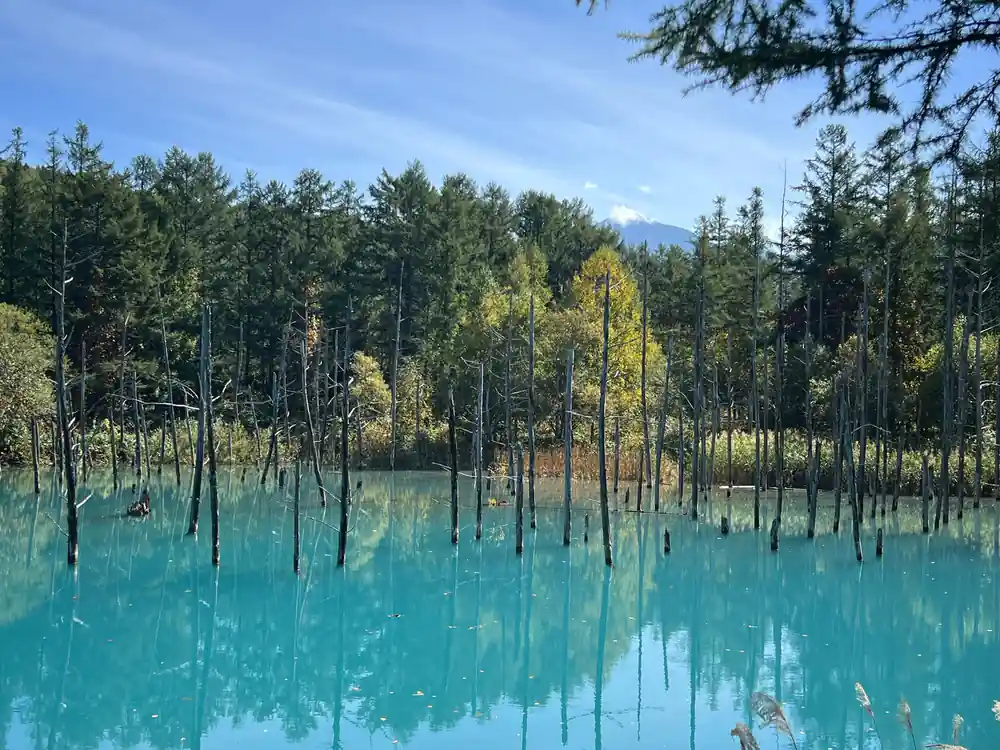
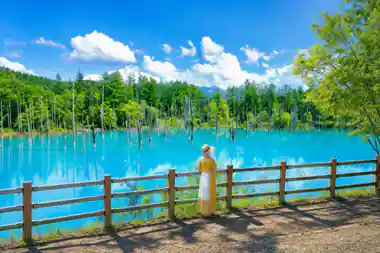
What replaces the lavender is still worth the journey. Shikisai-no-oka keeps colour going with other summer flowers across its fifteen hectares, and the Biei hills turn over to new crops as the weeks pass.[11][12] The Shirogane Blue Pond holds its colour all year: it was created when emergency erosion-control dams backed up water after the December 1988 eruption of Mount Tokachi, and it appears blue because suspended aluminium colloids scatter light.[5]
Late summer is a good time for the water and forest stops as well. Groundwater seeping from the rock face plunges about 30 metres to the river below at Shirahige Waterfall.[14] Ningle Terrace, a shopping area of wood cabins in the green forest of Furano, is lit up after sunset, which suits a slow finish to a long coach day.[15]
from US$48
The Colored Hokkaido Furano and Biei Blue Pond trip runs from Sapporo with a live guide in English, Chinese, Japanese and Korean.[3]
After the Bloom: Autumn Colour in Biei
Once the lavender has been cut, the hills have moved on to autumn. The Biei farm roads keep their patchwork character as crops ripen, with golden wheat, purple potato flowers, green bean fields and brown plowed earth still layering the slopes.[11] The light drops lower, the air cools, and the viewpoints feel calmer than they do in high summer.
The Shirogane Blue Pond stays turquoise into autumn, with suspended aluminium colloids scattering light to give the water its colour.[5] Mount Tokachi, the peak whose December 1988 eruption led to the emergency dams behind the pond, stands at 2,077 meters, and on clear days it is part of the skyline above the fields.[5][16]
The weeks before the first snow bring the last of the colour. Ningle Terrace is a gentle stop as the evenings draw in, with shops in the form of wood cabins lit up after sunset.[15] Nights turn cold quickly, so a warm coat and gloves keep a late afternoon at the pond from being a short one.
Winter: Snow and Dormancy
Winter arrives early in this part of Hokkaido. If you have ever asked when does it snow in Hokkaido, the Furano answer is often before December is out: one reported season brought 158 cm of cumulative snowfall in the first two weeks of December, on top of the 45 cm that fell in November.[9]
The lavender rows sleep under that snow while the region switches to skiing, snowshoeing and quiet landscapes. Mount Tokachi stands at 2,077 meters, and its December 1988 eruption sent the volcanic mudflows that led to the emergency dams behind the Shirogane Blue Pond.[5][16] Deep drifts, onsen steam and bare tree lines make this a completely different place from the summer version.
When the snow is on the ground, plan around winter rather than flowers. Furano's population is approximately 26,000 including the incorporated communities in the outskirts, while the main municipal area is said to be about 16,000.[17] Winter travel here is about powder, warm drinks and empty roads, with nothing to see in the lavender fields themselves until the melt.
Understanding Forecasts and Live Bloom Status Updates
Bloom timing shifts a little every year, so treat the window of late June to mid-August as a guide rather than a fixed calendar.[1] Farms post their own field updates as the season develops, and it is worth checking them in the week before you travel rather than months in advance.
How long are lavender farms open on a summer day varies between farms and through the season, so check the farm you plan to visit for its current hours. Distances are the other thing people underestimate: Furano is about a two hour drive from Sapporo using the Doo Expressway between Sapporo and Mikasa, and a coach day trip covers that ground without you driving.[6]
Booking with a little flexibility helps. The Colored Hokkaido: Furano Flower and Biei Blue Pond tour from Sapporo runs for 1 day, offers reserve now and pay later, and comes with free cancellation up to 24 hours in advance for a full refund.[3] If the season runs early or late, having room to move a date makes the whole trip easier to arrange.
From prices for Furano and Biei flower tours
From prices in US dollars for these day tour listings:[3][7][8][18].
Furano and Biei day tour prices from Sapporo
From prices in US dollars for these listings:[3][7][8][18].
When to book a Furano flower day trip
Plan your bloom trip
Pick your month
Lavender blooming runs from late June to mid-August, so match your travel dates to the part of the season you want to see.[1]
Base yourself in Sapporo
Furano is about a two hour drive from Sapporo using the Doo Expressway, which makes a coach day trip straightforward.[6]
Book the day tour
The Colored Hokkaido tour runs for 1 day from Sapporo with a live guide in English, Chinese, Japanese and Korean.[3]
Dress for the season
Furano's July average is 22.1°C. Take layers, a hat and sun cream for a long day outdoors among the fields.[4]
Check bloom reports
Bloom timing moves with the weather, so check farm updates and the local forecast in the week before you go.
Ride from Sapporo to the Furano flower fields and the Blue Pond
from US$48Reserve now & pay later