What to remember
- Choose Nakafurano or the farm villages west of Furano for early mornings in the lavender. Shikisai-no-oka covers 15 hectares in Biei.[1]
- Furano town has the widest choice of hotels, guesthouses and restaurants, in a municipality of approximately 26,000 people.[2]
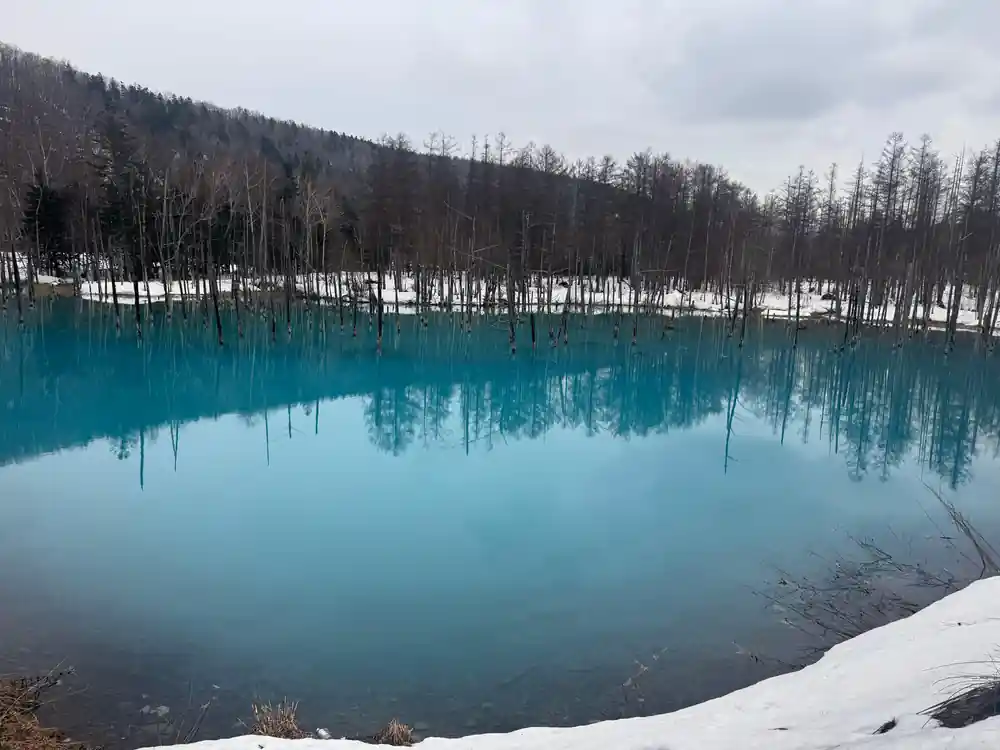
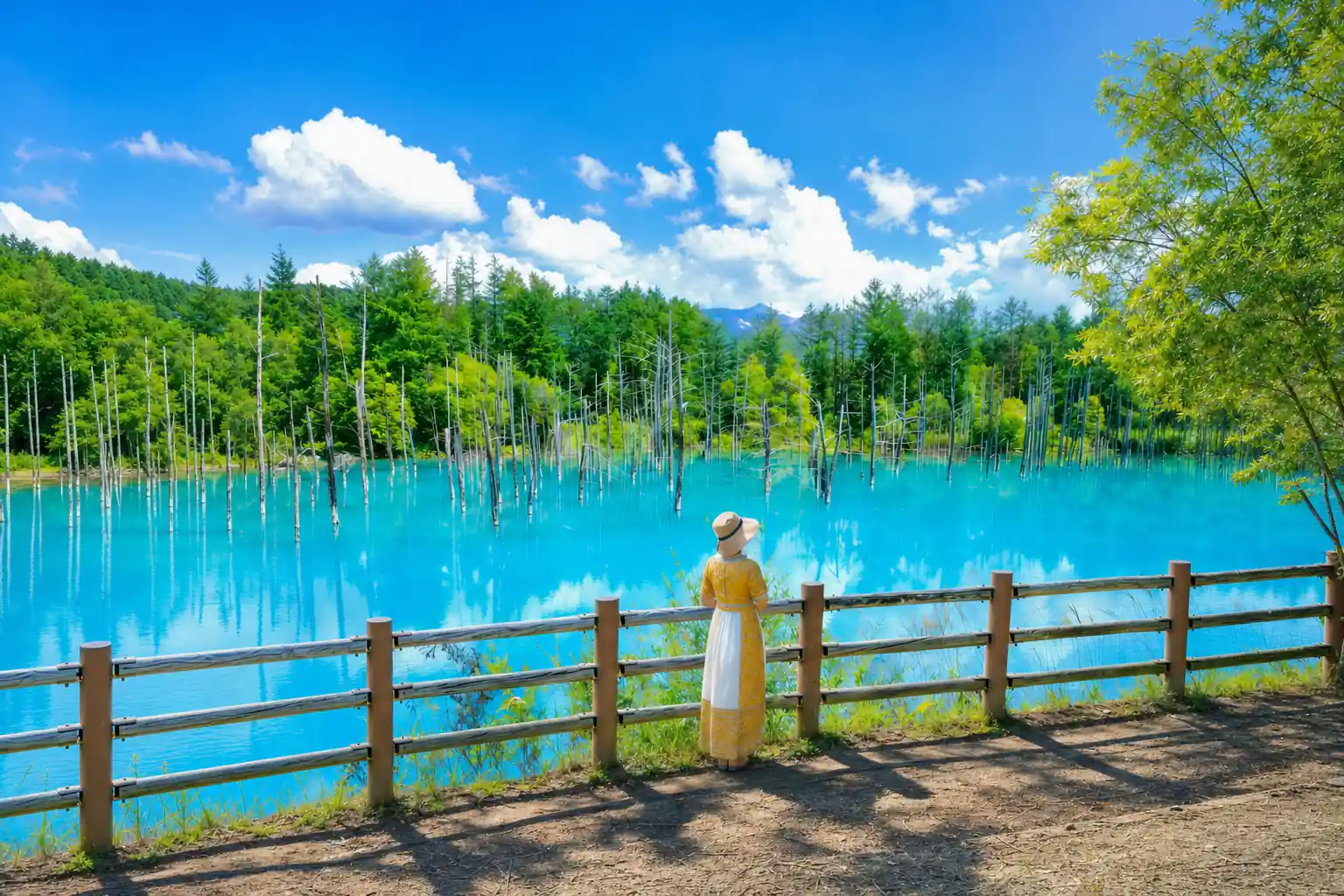
- Biei suits anyone heading for the Blue Pond, created when erosion-control dams backed up water after the December 1988 eruption of Mount Tokachi.[3]
- Lavender blooms from late June to mid-August, and July in Furano averages 22.1°C.[4][5] Evenings still feel cool.
- Furano is about a two hour drive from Sapporo using the Doo Expressway between Sapporo and Mikasa.[6]
- Top choice Furano & Biei Blue Pond day from US$48 Duration1 day[7]Rating4.56 from 122 reviews[7]LanguagesEnglish, Chinese, Japanese, Korean[7]Free cancellationup to 24 hours in advance[7] Check availability
- Biei Furano flower sea tour from US$43 Duration10 hours[8]Rating4.76 from 51 reviews[8]LanguagesChinese, English, Japanese, Traditional[8]Free cancellationup to 24 hours in advance[8] See this tour
- Noboribetsu & Lake Toya day from US$47 Duration10 hours[9]Rating4.30 from 323 reviews[9]LanguagesEnglish, Japanese[9]Free cancellationup to 24 hours in advance[9] See this tour
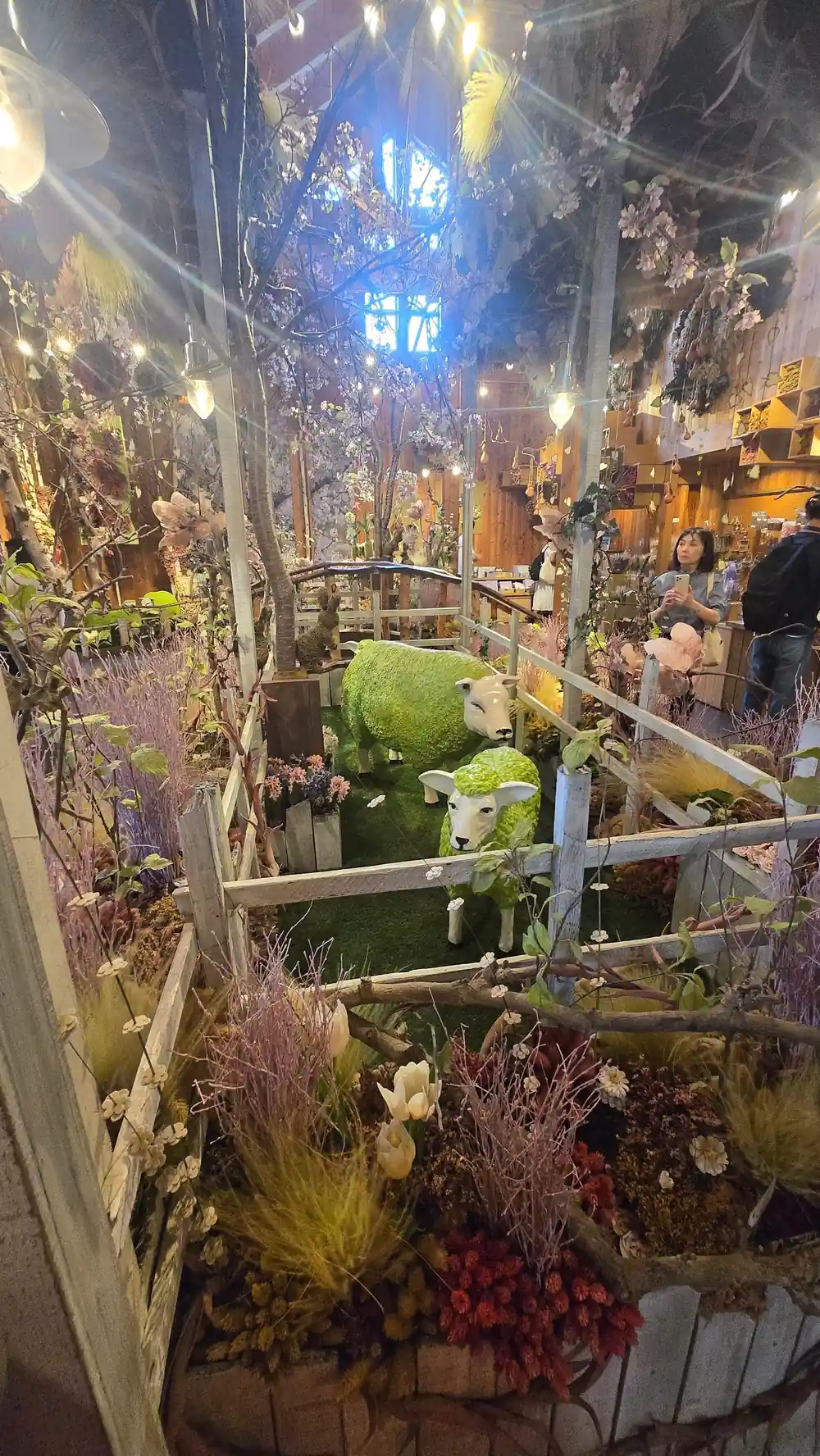
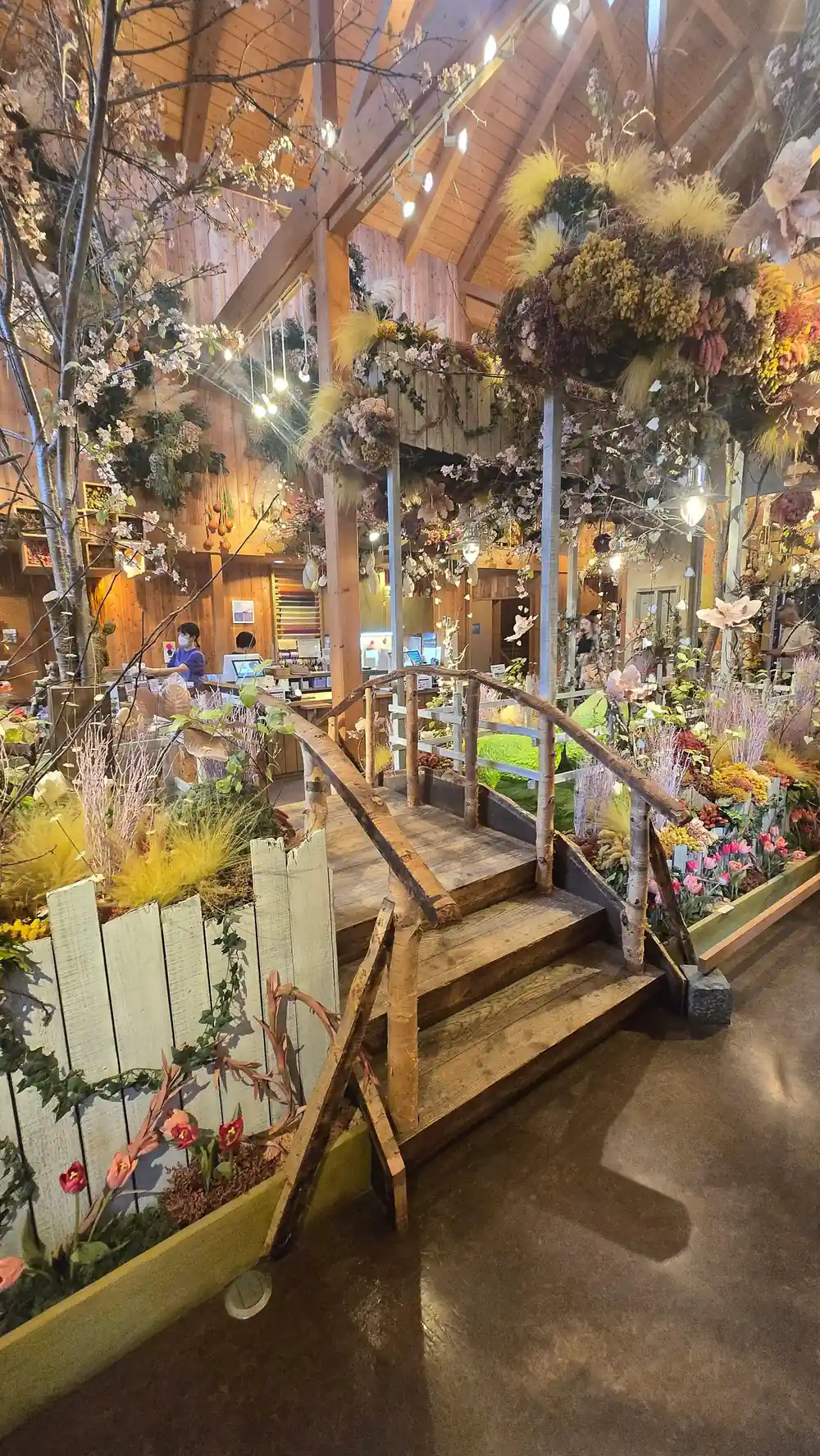
Ningle Terrace is a shopping area located in the green forest of Furano. It is nice to go shopping and enjoy the cool breeze as you walk through the area.
Our verdict on where to stay in Furano
Pre-booking checklist
On the ground
- The Colored Hokkaido tour runs as a coach day trip from Sapporo to Biei and Furano.
- July in Furano averages 22.1°C, mild enough for long days outdoors.[5]
- The patchwork hill farm roads are public, and people walk, cycle and drive them.[10]
- Guides on the Colored Hokkaido tour speak English, Chinese, Japanese and Korean.[7]
Choosing where to stay in Furano
Furano spreads across a farming basin in central Hokkaido, with the lavender hills of Nakafurano on its western side and the patchwork fields of Biei beyond. The population is approximately 26,000, including the incorporated communities in the outskirts, while the main municipal area is said to be about 16,000.[2] For most trips, the Furano where to stay question is a question about mornings. A bed in town puts restaurants, shops and the station within walking distance. A bed on the farm side puts you among the lavender rows before the coach groups arrive.
Nothing here is far from anything else. Farm Tomita, Shikisai-no-oka and the Blue Pond sit along the same road corridor, and most people pick one base and drive out from it each day. What changes is the feel of your evenings. Furano town is a working town with bakeries, izakaya and hotels. The farm villages around Nakafurano go quiet once the day visitors leave. Biei is smaller again, with the hill roads on its doorstep. Furano accommodation falls into those three groups, and the right one depends on whether you want company, fields or convenience.
Furano town: the all-round base
Furano town is the practical choice for a first visit. The station area holds the largest cluster of hotels, guesthouses and restaurants, and the shops stay open later than anywhere else in the valley. It is also the easiest base if you are arriving without a car: the town is where the transport links land, and where you can stock up before heading out to the farms. For an evening away from flowers, Ningle Terrace is a shopping area in the green forest of Furano where the shops take the form of wood cabins that are lit up after sunset.[11]
Rooms range from business hotels near the station to pensions, hostels and converted farmhouses on the edges of town. Furano works as a winter destination as well, and the same beds serve skiers once the fields are under snow. The calendar matters as much as the address. Book well ahead for the bloom weeks, and outside midsummer you can often decide later. If you are driving out to the farms each day, ask about parking before you commit.
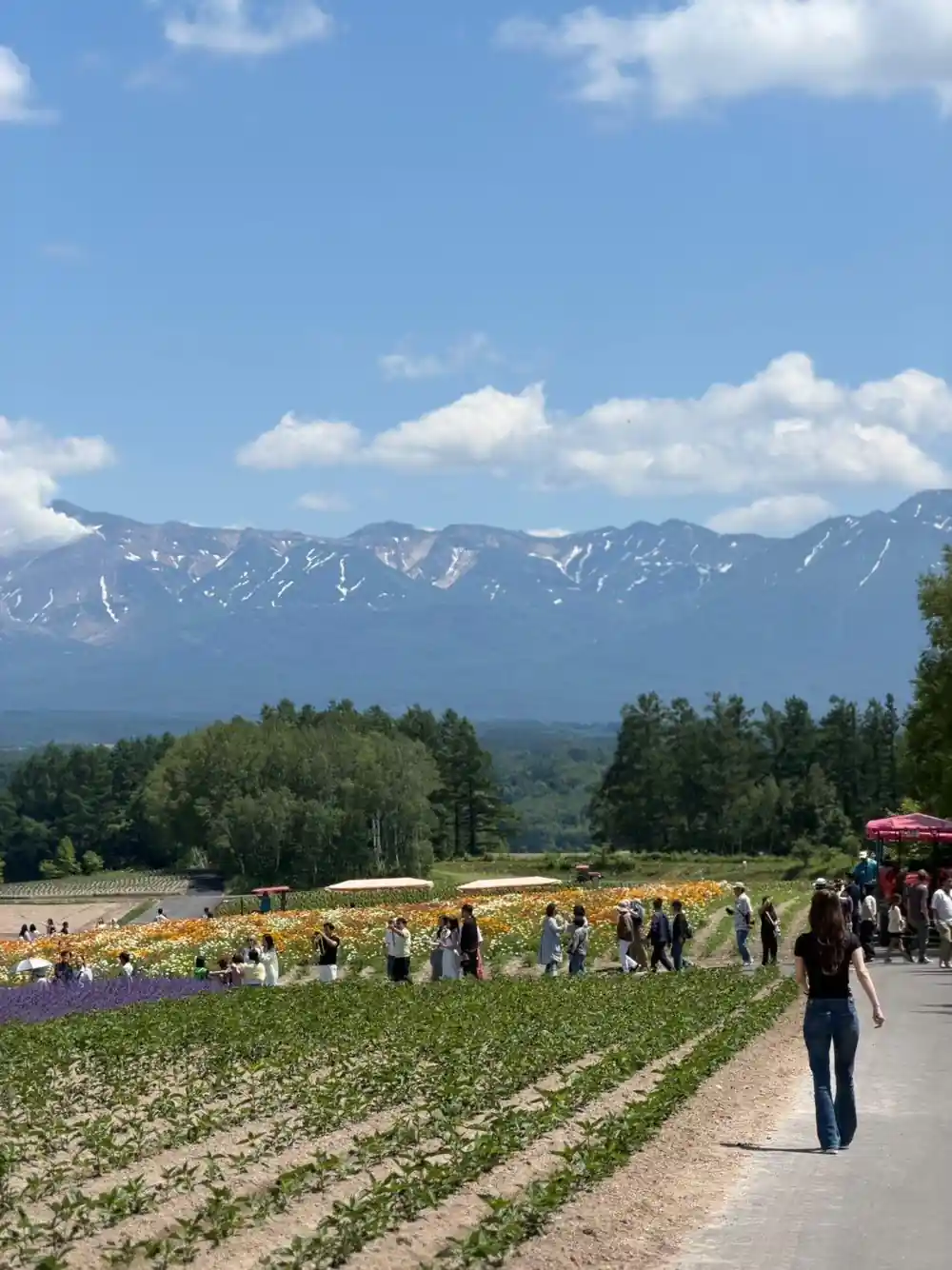
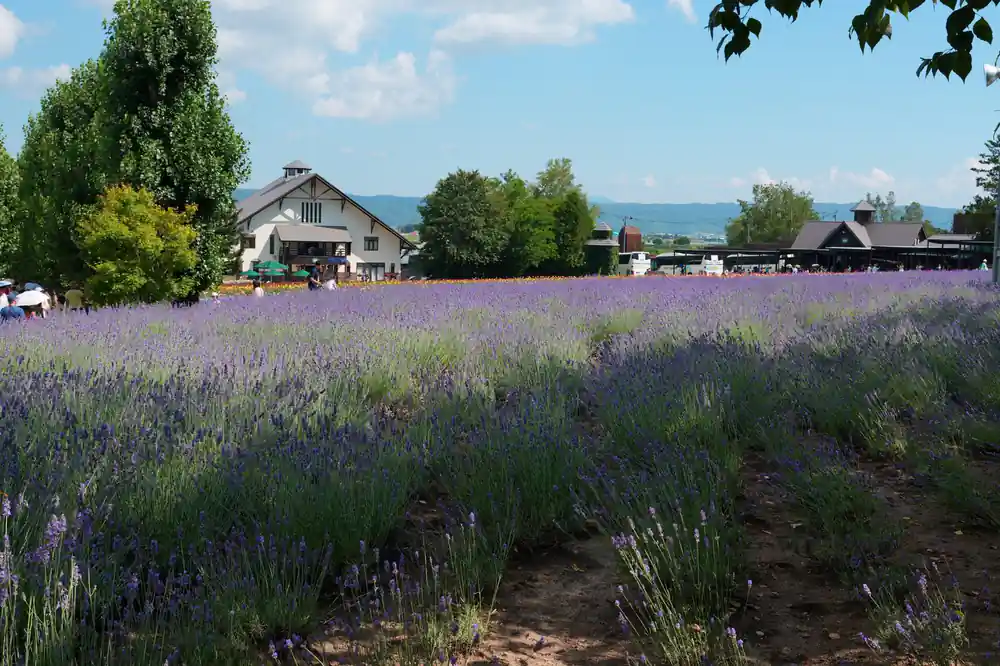
Lavender rows running out towards the hills outside Furano
Nakafurano: sleep beside the lavender
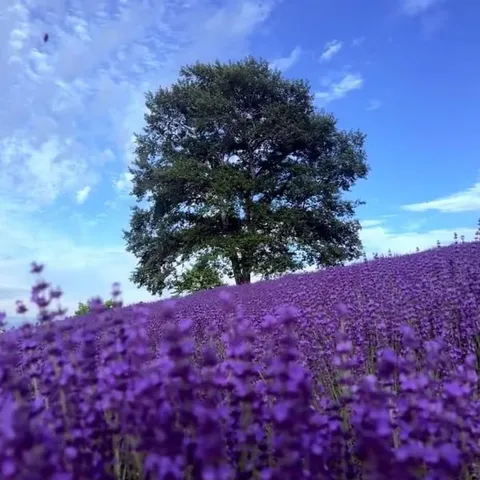
The flower farms lie west of Furano, and staying out this way is all about mornings. Farm Tomita covers 29 hectares after doubling in size in 2008 with the addition of Lavender East, and it welcomes over a million tourists annually.[12] Lavender has been cultivated in Hokkaido since the 1940s.[13] Being based nearby lets you walk over before the coach groups fill the rows, then come back in the softer evening light.
Accommodation around Nakafurano and the neighbouring farm villages tends to be small: family run pensions, guesthouses with shared baths, a few farm stays, campsites in the hills. Rooms are limited, and these are the first beds to go for the bloom weeks. Plan dinner in advance, since the villages thin out at night. In return you get misty fields at dawn, the smell of cut stems, and the feeling of sleeping inside the landscape.
Biei: patchwork hills and the Blue Pond
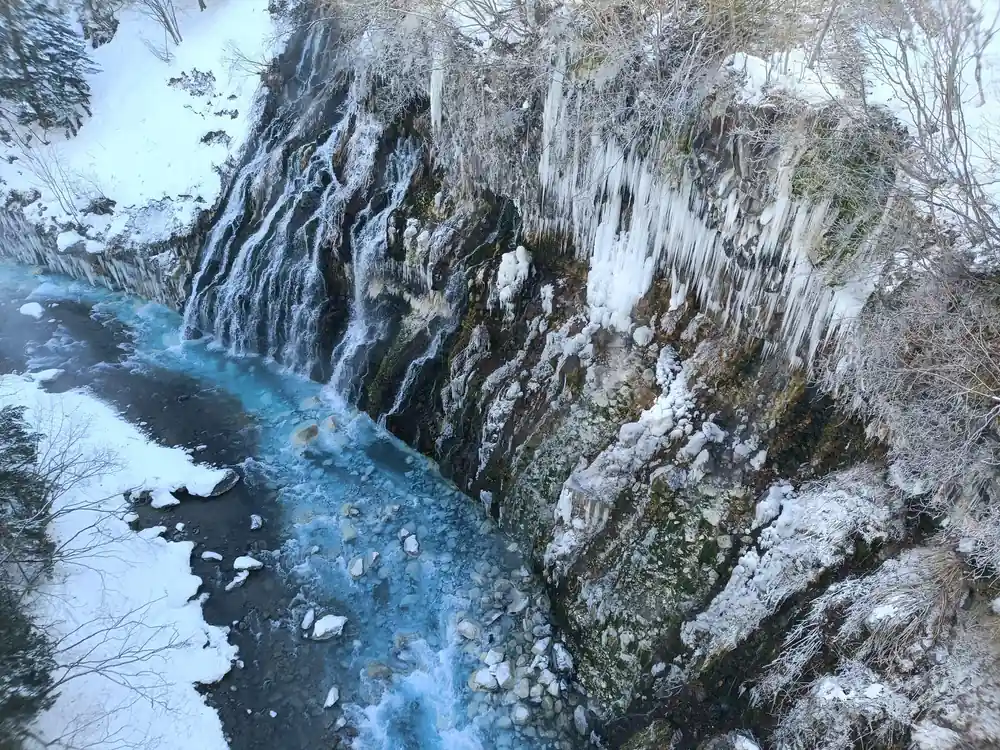
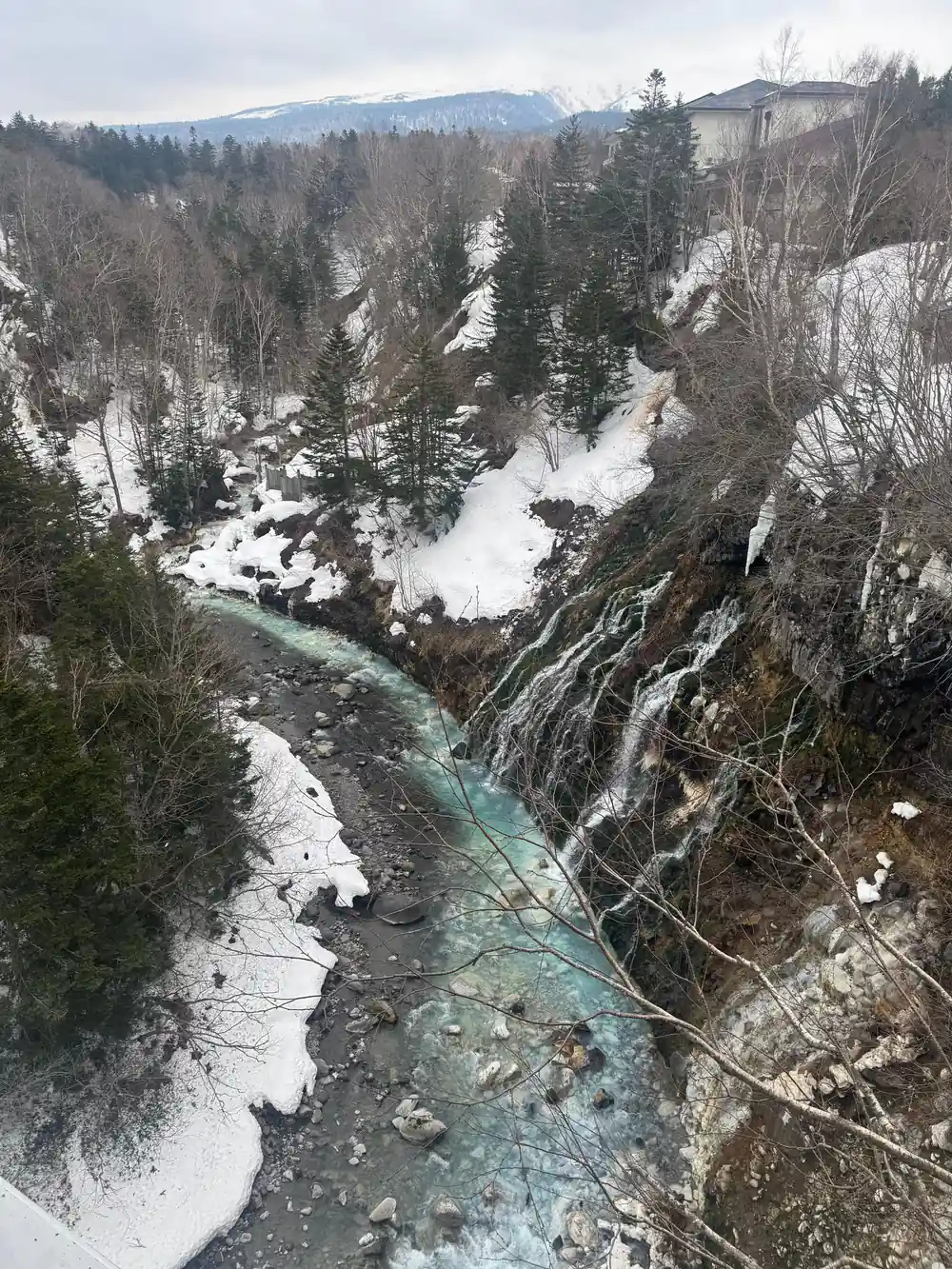
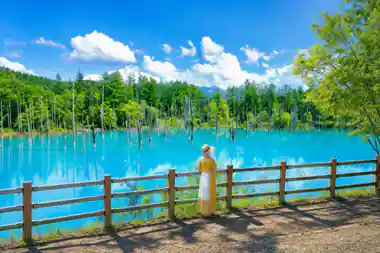
Biei is the other base worth weighing up, especially if the Blue Pond and the hill roads are high on your list. The Shirogane Blue Pond was created when emergency erosion-control dams backed up water after the December 1988 eruption of Mount Tokachi, and it appears blue because suspended aluminium colloids scatter light.[3] A short way off, Shikisai-no-oka is a panoramic flower garden covering 15 hectares of land.[1] At Shirahige Waterfall, groundwater seeping from the rock face plunges about 30 metres.[14]
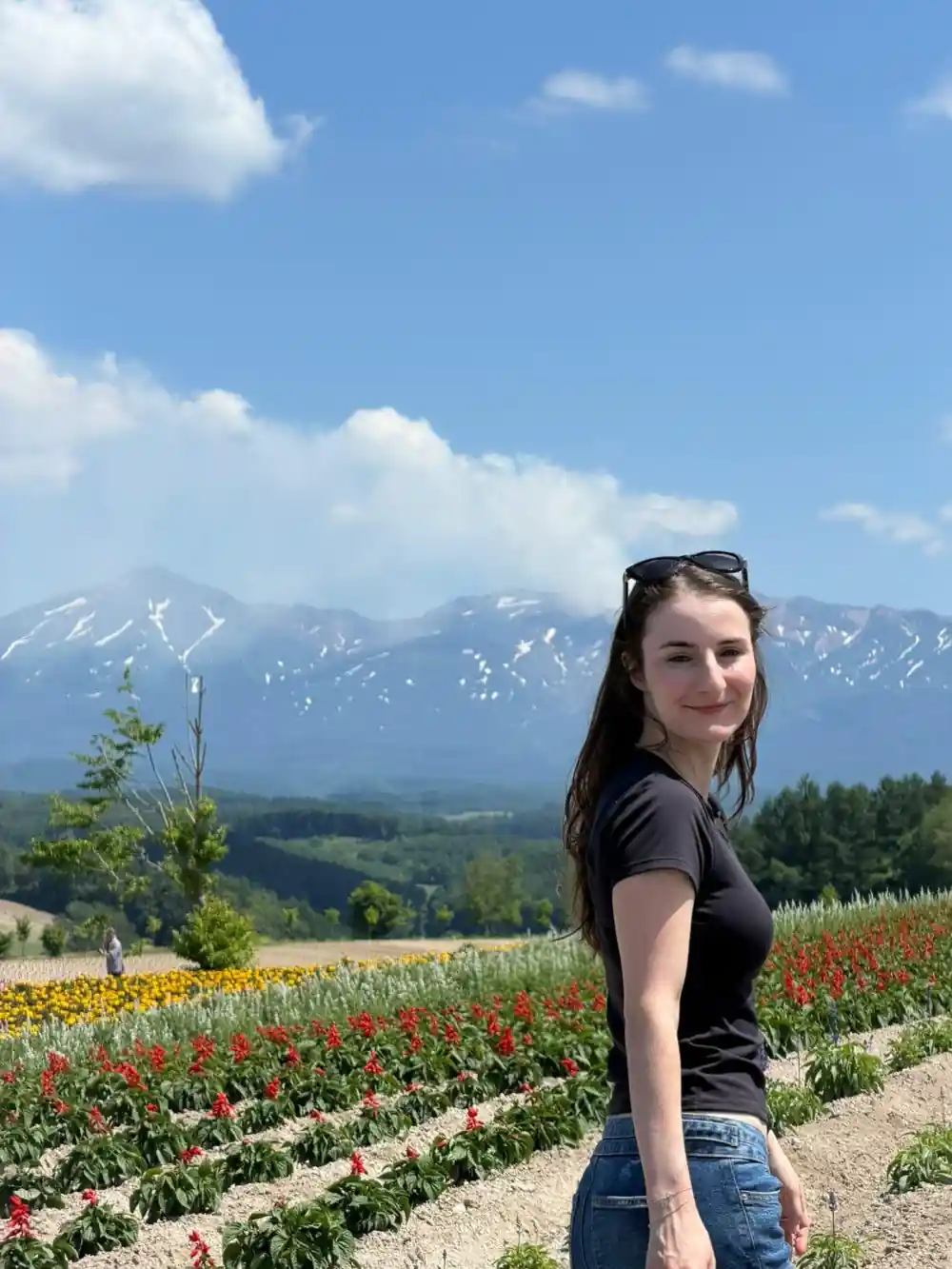
The hills around the Seven Stars Tree are known as Patchwork Road, where different crops are planted in each plot.[15] In season the farm roads are lined with golden wheat, purple potato flowers, green bean fields and brown plowed earth.[10] Staying in Biei keeps all of that close, in a town quieter and more rural than Furano, with fewer places to eat. The trade-off is a smaller choice of beds.
from US$48
Colored Hokkaido: Furano Flower and Biei Blue Pond From Sapporo, rated 4.56 from 122 reviews, free cancellation up to 24 hours ahead.[7]
Lavender season and the rest of the year
Lavender starts blooming from late June to mid-August, and that is when the valley fills up.[4] It is not a hot place to stand around in: the average temperature in Furano in July is 22.1°C.[5] Mornings and evenings stay cool even then, and the light is at its best early. Outside the bloom the farms still work, the roads empty out and the hills change colour with the crops. What you will not find outside midsummer is a purple hillside. If the flowers are the point of the trip, plan the whole stay around the bloom.
Winter rewrites the valley completely. One season brought 158 cm of cumulative snowfall in the first two weeks of December, on top of 45 cm that fell in November.[16] Skiers base themselves in the same town hotels that flower visitors use, and the drive out to the farms turns into a snow drive. Above it stands Mount Tokachi at 2,077 meters, the volcano whose December 1988 eruption shaped the Blue Pond.[3][17] Spring and autumn are the in-between months: fewer people, cooler days, fields either bare or turning.
Getting to Furano and getting around
Furano is about a two hour drive from Sapporo using the Doo Expressway between Sapporo and Mikasa.[6] A car makes it easy to move between the farms, the Blue Pond and the waterfall on your own schedule, and to pull over when a view opens up. Trains and highway buses also link Sapporo with Furano, and if you are staying in town you can manage several days without driving. It is the countryside between the sights where a car earns its keep.
Distances inside the Furano and Biei area look short on a map, but the roads are rural and traffic builds around the busiest farms in midsummer, so leave more time than you think you need. The farm roads out in the patchwork hills are public, and people drive, cycle and walk them.[10] Fill the tank in Furano or Biei before heading out; services thin out among the fields. In winter, allow extra time for snow and ice.
Adding a day tour from Sapporo
If you would rather not drive, or you are spending your first nights in Sapporo, the Colored Hokkaido tour runs as a coach day trip. It is priced from US$48 and rated 4.56 from 122 reviews, with live guides speaking English, Chinese, Japanese and Korean.[7] The route takes in Patchwork Road in Biei, the Shirogane Blue Pond, Shikisai No Oka, a local restaurant and Farm Tomita, with 2 starting location options and 2 drop-off locations.[7] The tour runs for 1 day and offers free cancellation up to 24 hours in advance.[7]
Think of it as either a taster or a fallback. As a taster, the coach covers the headline sights in one run before you commit to a few nights in the valley and work out which field you want to return to. As a fallback, it saves you the drive if you are based in Sapporo and short on time. Other listings cover similar ground, including a Biei and Furano flower tour from US$43, and a highlights trip that pairs Cape Kamui with the Otaru Canal.[8][18]
Sapporo day tour from-prices
From prices in US dollars for the day tours listed on this page:[7][8][9][18][19]
Furano and Biei day tours: what they cost
Amounts are US dollar from prices on these GetYourGuide listings:[7][8][9][18][19]
When to book your Furano stay
Plan your Furano stay
Pick your base
Match your base to what you came for: the farms, the town, or the Blue Pond side of Biei. Then work out how far it sits from everywhere on your list.
Time it for the flowers
Lavender blooms from late June to mid-August, and July in Furano averages 22.1°C.[4][5] Book beds early for that window.
Decide about a car
Furano is about a two hour drive from Sapporo using the Doo Expressway between Sapporo and Mikasa.[6]
Add a day tour
If you would rather not drive, the Colored Hokkaido tour from Sapporo runs a coach loop through Patchwork Road, the Blue Pond and Farm Tomita.
Pack for cool nights
Furano's July average is 22.1°C, and evenings still feel cool. Bring a light layer and a rain shell.[5]
Keep plans flexible
The Colored Hokkaido tour offers free cancellation up to 24 hours in advance and reserve now, pay later.[7]
See the Furano and Biei day tour from Sapporo
from US$48Reserve now & pay later