What to remember
- The coach stops at a local restaurant partway through the day, and you can also pick up your own food at a shop before the first flower stop.[1]
- Toilet breaks come with the coach stops: Patchwork Road, the Shirogane Blue Pond, Shikisai no Oka, the local restaurant and Farm Tomita.[1]
- Farm Tomita covers 29 hectares and welcomes over a million tourists annually, and its food hall serves soft cream, melon and lavender sweets.[2]
- Shikisai no Oka is a panoramic flower garden in Biei covering fifteen hectares, with snacks and a shop beside the beds.[3]
- Lavender starts blooming from late June to mid-August, the window most flower travellers aim for.[4]
- Top choice Furano and Biei Blue Pond from US$48 Duration1 day[1]LanguagesEnglish, Chinese, Japanese, Korean[1]Main stopsPatchwork Road, Blue Pond, Shikisai No Oka, TomitaCancellationFree cancellation up to 24 hours[1] Check availability
- Biei Furano Flower Sea from US$43 Duration10 hours[5]LanguagesChinese, English, Japanese[5]Main stopsBiei, Furano, Shikisai No Oka, Farm TomitaCancellationFree cancellation up to 24 hours[5] See this tour
- Noboribetsu and Lake Toya from US$47 Duration10 hours[6]LanguagesEnglish, Japanese[6]Main stopsJigokudani, Cape Chikyu, Lake Toya, Showa ShinzanCancellationFree cancellation up to 24 hours[6] See this tour
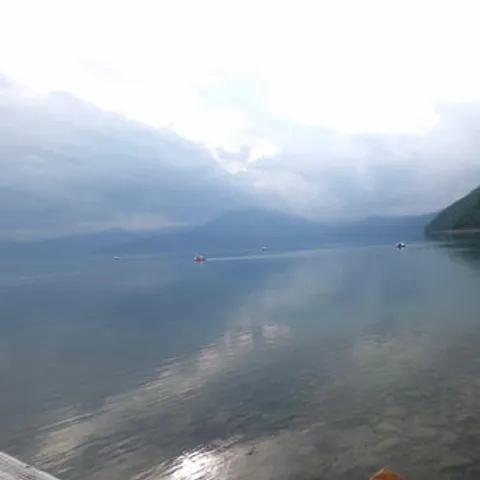
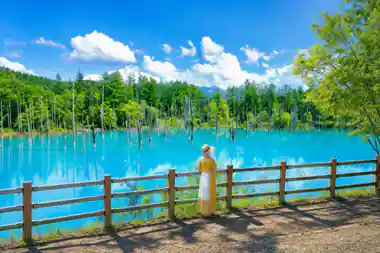
The December 1988 eruption sent volcanic mudflows down the Biei River, forcing emergency erosion-control dams whose backed-up water became the pond. Aluminium colloids suspended in the water scatter light, producing the distinctive turquoise hue seen in Shirogane Blue Pond.
Is the food and rest stop side of this tour worth it?
Food and drink
- Bring small yen notes and coins for farm stalls and vending machines
- Eat a solid breakfast before the coach leaves Sapporo in the morning
- At Farm Tomita and Shikisai no Oka, eat just before or after the main rush
- Carry a refillable bottle, the coach and the farm stops get warm
Comfort and facilities
- Keep your booking details handy for the meeting point check in
- Use the toilet at every coach stop rather than counting on the next one
- Pack tissues and hand sanitiser, some rural facilities are basic
- Wear shoes you can slip off if you sit on tatami at lunch
Lunch on the route: buffet or buy your own
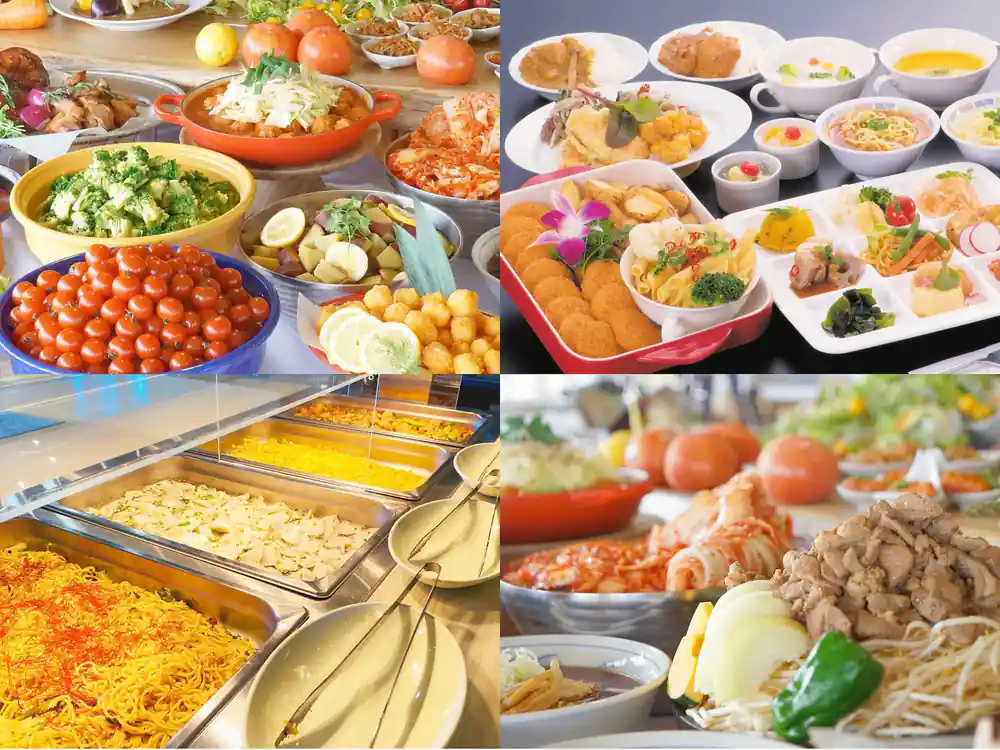
Lunch is the part of a Furano and Biei day trip that people worry about most, and the answer is simpler than it looks. The coach stops at a local restaurant partway through the loop, and that is the sit-down pause of the day.[1] Around that stop you have two broad choices. The first is the buffet style lunch that large Hokkaido roadside restaurants do well, with hot dishes, rice, soup, pickles and a dessert corner, served in a big bright room shared with other tour groups. The second is buying your own food at a shop and eating it on a bench, at a picnic table or back on the coach.
Which one suits you comes down to appetite and patience. A buffet is quick to serve and easy with children, though you pay for the whole spread even if you only want a bowl of noodles. Buying your own keeps the cost down and stays flexible, and Japanese convenience stores are genuinely good for onigiri, sandwiches, hot snacks and coffee. Plenty of travellers do a mix: pick up drinks, fruit and something savoury in the morning, then sit down for a hot meal at the restaurant stop. If you would rather not queue at all, eat a big breakfast in Sapporo and treat lunch as a snack.
Dietary needs and vegetarian alternatives
Hokkaido cooking leans on dairy, seafood, pork and wheat, so vegetarian, vegan, halal and gluten free travellers should plan ahead. The tour runs from Sapporo with a lunch stop in the countryside, and that stop is a short break rather than a long consultation about ingredients.[1] If you have a strict diet, message the operator before you book and again before you travel, and carry a short written note in Japanese explaining what you cannot eat. Photograph the note on your phone as a backup.
In practice, the easiest safe foods on this route are rice, pickled vegetables, plain soba or udon, vegetable tempura, potatoes, corn and melon, all of which turn up often on Hokkaido tables. Miso and dashi based soups usually contain fish, and many sauces are built on soy and wheat, so a plain looking salad can be less innocent than it appears. Farm shops help, because fruit, vegetables, juice and packaged sweets are easy to identify, while soft cream and cheese are obviously dairy. Bring a couple of your own protein bars or rice balls as backup, and do not count on finding a specialist vegetarian kitchen between stops.
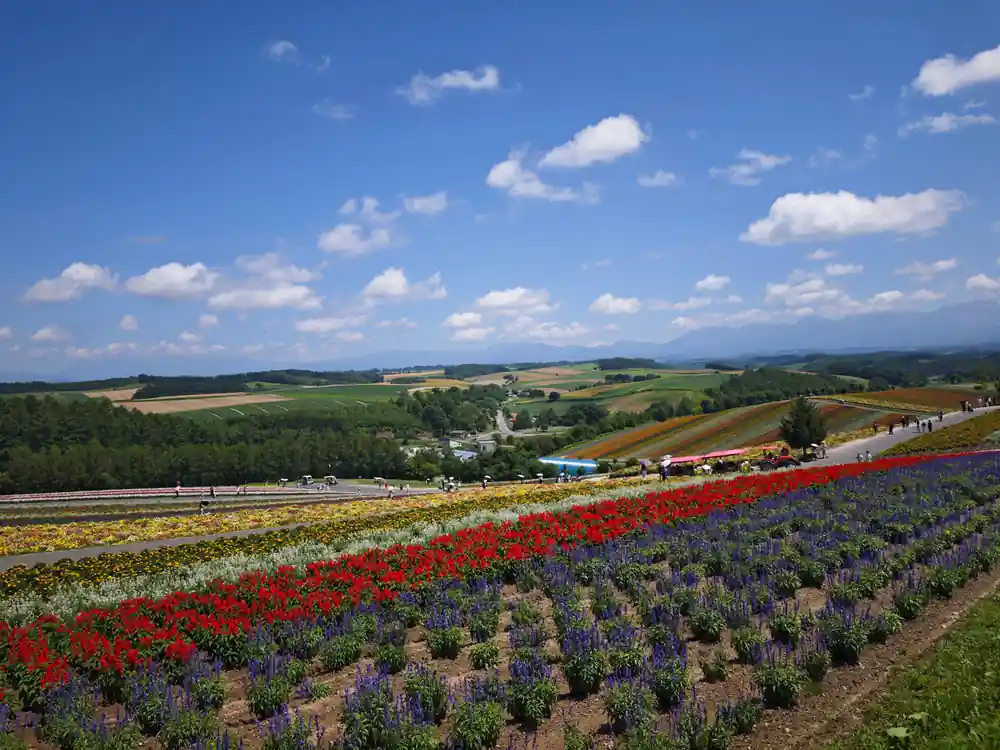
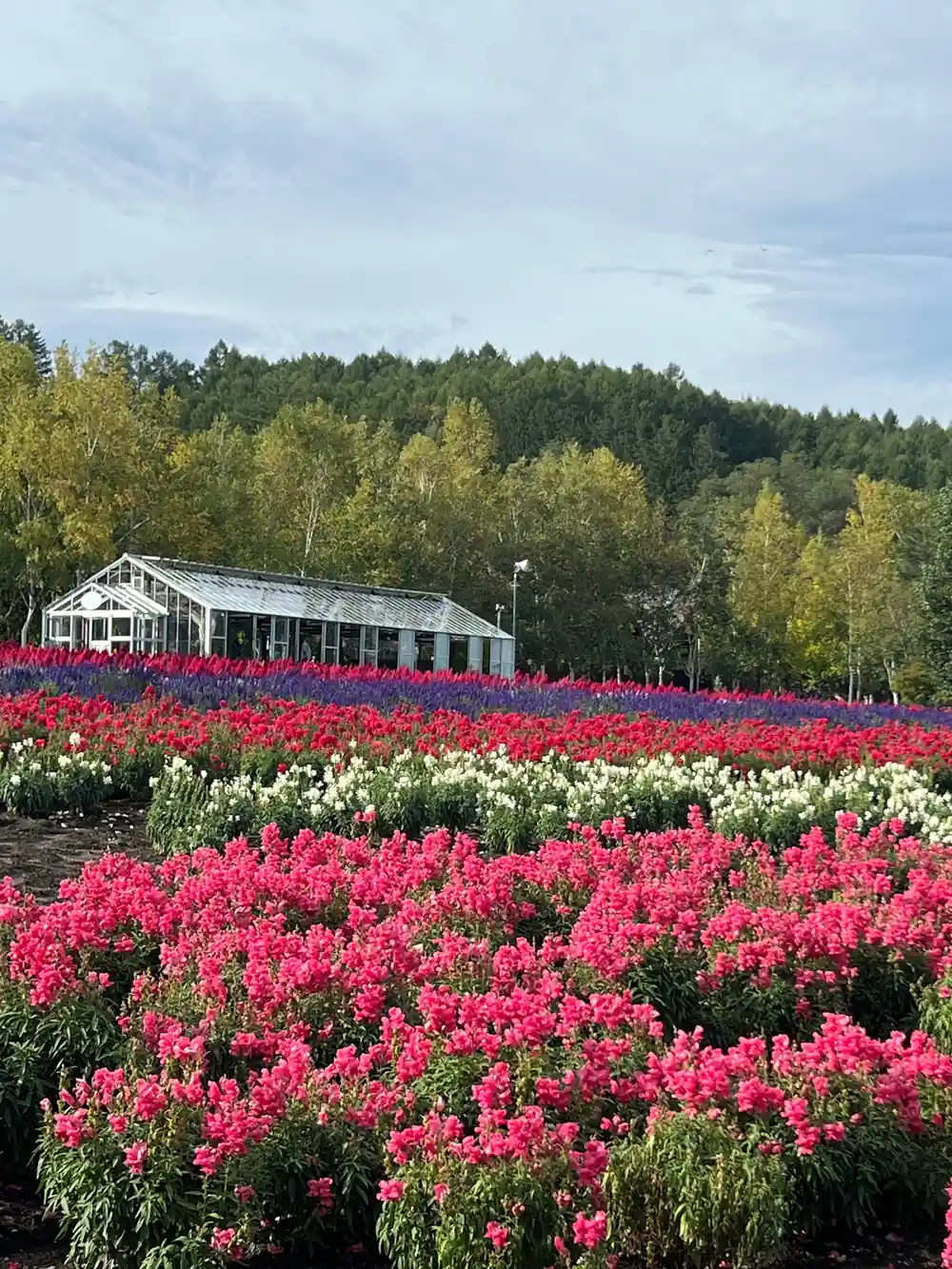
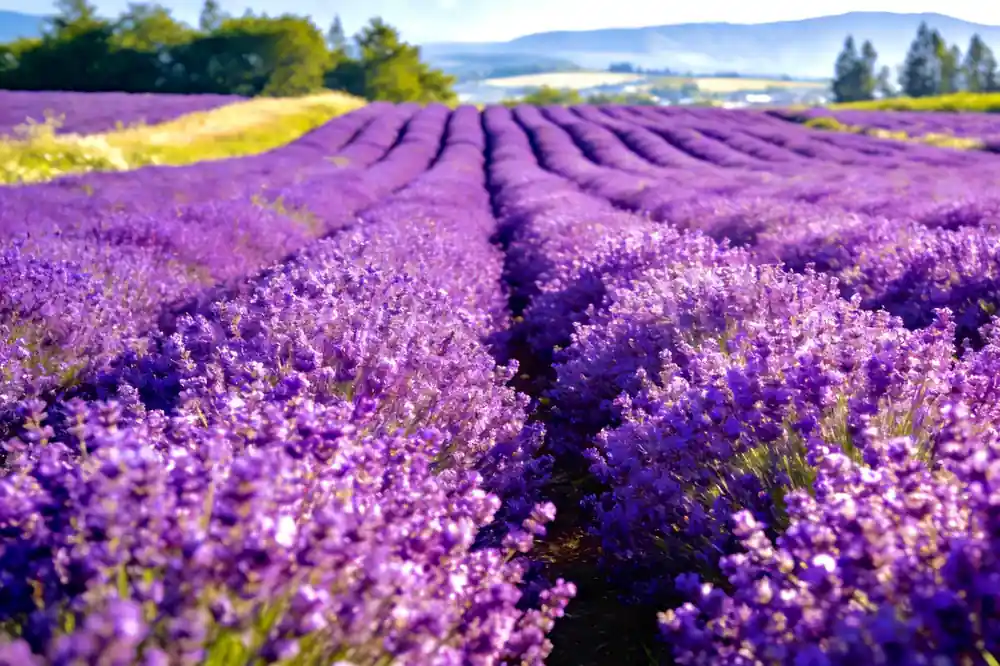
Flower rows at a Hokkaido farm, with the soft hills of Biei behind them
Toilets and rest stops along the way
The day is built around coach stops rather than long stretches of wandering. The route runs from Sapporo through the Biei area, with pauses at Patchwork Road, the Shirogane Blue Pond, Shikisai no Oka, a local restaurant and Farm Tomita.[1] Furano is about a two hour drive from Sapporo using the Doo Expressway between Sapporo and Mikasa, which gives a sense of the first long leg before the stops begin in earnest.[7] Nothing here is a wilderness hike, so comfortable shoes matter more than serious kit.
Use every toilet you pass, even when you do not think you need one, because the gaps between stops are longer than they look on a map. Farm and garden toilets are usually clean and free, and the restaurant stop is the most comfortable of the day. Rural facilities can be simple: squat pans, no paper, no soap. Carry a small pack of tissues and hand sanitiser, keep a few coins for the occasional paid toilet, and remember that queues at the women's side of a busy farm toilet can eat into your photo time.
What to eat at Farm Tomita
Farm Tomita is the food highlight of the day for many travellers. The farm covers 29 hectares and welcomes over a million tourists annually, and its food buildings sit right beside the flower fields.[2] The Hokkaido soft serve is the classic order here, sold in lavender shades, while wedges of melon, potato croquettes, sweet corn and lavender flavoured drinks fill out the rest of the menu. Queues build quickly once coaches arrive, and the calmest window is just before the main lunch push.
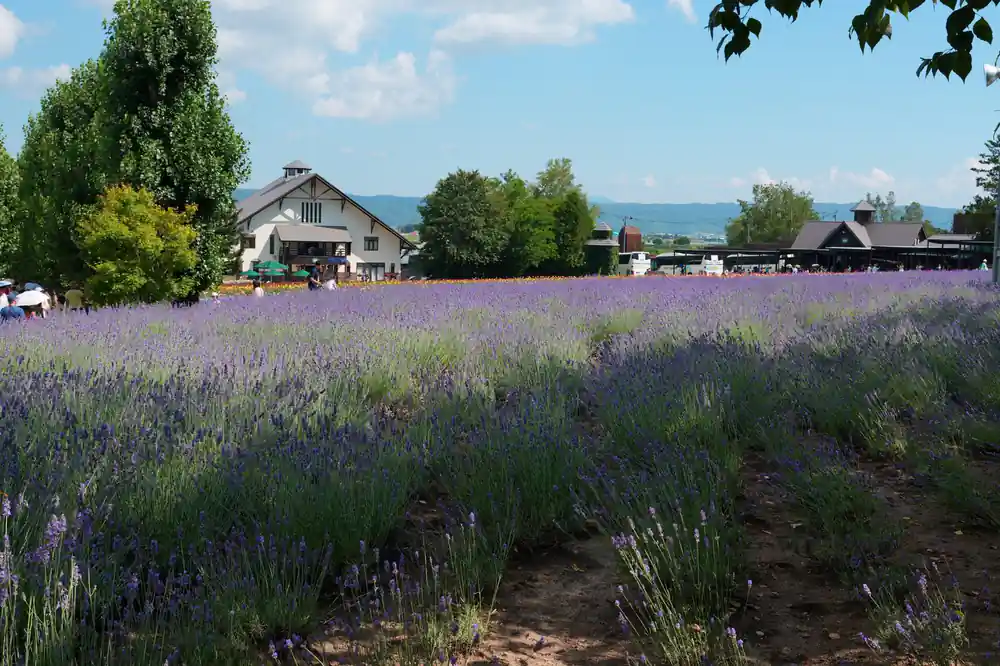
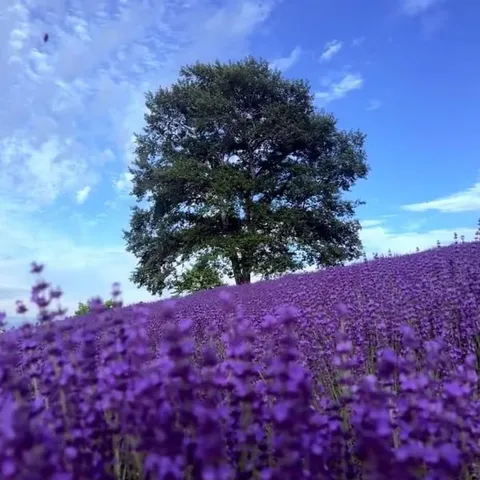
Lavender starts blooming from late June to mid-August, and those weeks are when the fields and the food counters are at their fullest.[4] Lavender has been cultivated in Hokkaido since the 1940s, and the farm shops lean heavily on the crop, with dried bunches, oils, soaps and sweets.[8] Eat inside if the weather turns, or take a bench outside and watch the fields while you eat. Keep an eye on the meeting time you are given at the start of the day.
from US$48
The Colored Hokkaido tour from Sapporo, booked from this site, runs a full day through the Biei and Furano flower country.[1]
What to eat and buy at Shikisai no Oka
Shikisai no Oka is a panoramic flower garden in Biei covering fifteen hectares, and it is the other big stop for food and shopping.[3] Expect the Hokkaido farm pattern here: potatoes, sweet corn, melon, soft cream, juice and packaged sweets, plus a shop with flower seeds and lavender goods. The fields pull people away from the counters, which can make this stop feel rushed, so it helps to decide what you want to eat before you walk out into the beds.
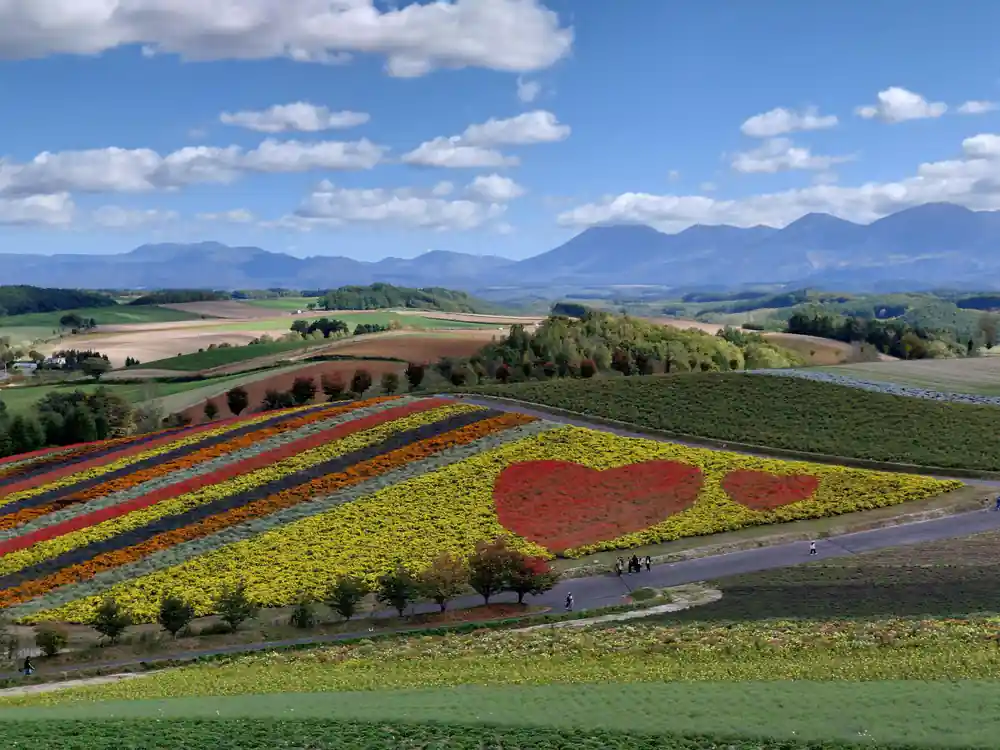
The landscape around Biei is the reason to look up between snacks. Crops are planted in separate strips, so the hills read as blocks of colour: golden wheat, purple potato flowers, green bean fields and brown plowed earth.[9] The area around the Seven Stars Tree is known as Patchwork Road, where different crops are planted in each plot, and the coach travels through it earlier in the day.[10]
Snacks and drinks during the tour
Between stops the coach is your base, and food on board stays simple. Hokkaido is covered in vending machines, and the larger stops have drinks, ice cream and packaged snacks within a short walk of the parking area. Bring a bottle of water and something to nibble, especially if you are travelling with children or take medication with food. Hot coffee from a machine is a small pleasure on a cold morning, and the machines usually take coins.
The average temperature in Furano in July is 22.1°C, warm enough that a cold drink is welcome at midday and cool enough that a light layer still helps later on.[11] Whatever the season, the walk between the fields and the coach can leave you thirsty, and the farm shops sell bottled tea, juice and water. Keep snacks sealed in your bag so crumbs stay off the seats, and carry your rubbish to the next bin rather than leaving it behind.
Souvenirs sold at the farms
Souvenir shopping on this route is mostly about lavender and melon. Farm Tomita and Shikisai no Oka both sell dried lavender, essential oil, soaps, sachets, candles, sweets and biscuits, and melon flavoured chocolate and jellies travel far better than fresh fruit. Dairy goods such as cheese, butter and milk based sweets are another easy choice, though it is worth checking what your home country allows you to bring back. Postcards and small ceramics make light, unbreakable gifts.
Buy early rather than late. The flower farms come before the final drive back to Sapporo, and shops at the last stop can feel crowded when several coaches arrive together.[1] Carry a little cash in case a stall does not take cards, and keep receipts for anything you may need to declare. If you buy soft cream or melon to eat on the spot, finish it before you board, and hold on to the wrapper until you reach a bin.
From prices for Furano and Biei day tours
From prices per person on these GetYourGuide listings:[1],[5],[12],[13] and[14].
What a Furano and Biei day costs
From prices in US dollars for these GetYourGuide listings:[1],[5] and[14].
When to go for flowers, food and snow
Planning your food stops
Book the day tour
Reserve the Colored Hokkaido tour from Sapporo, from US$48, and keep the confirmation on your phone.[1]
Meet the coach
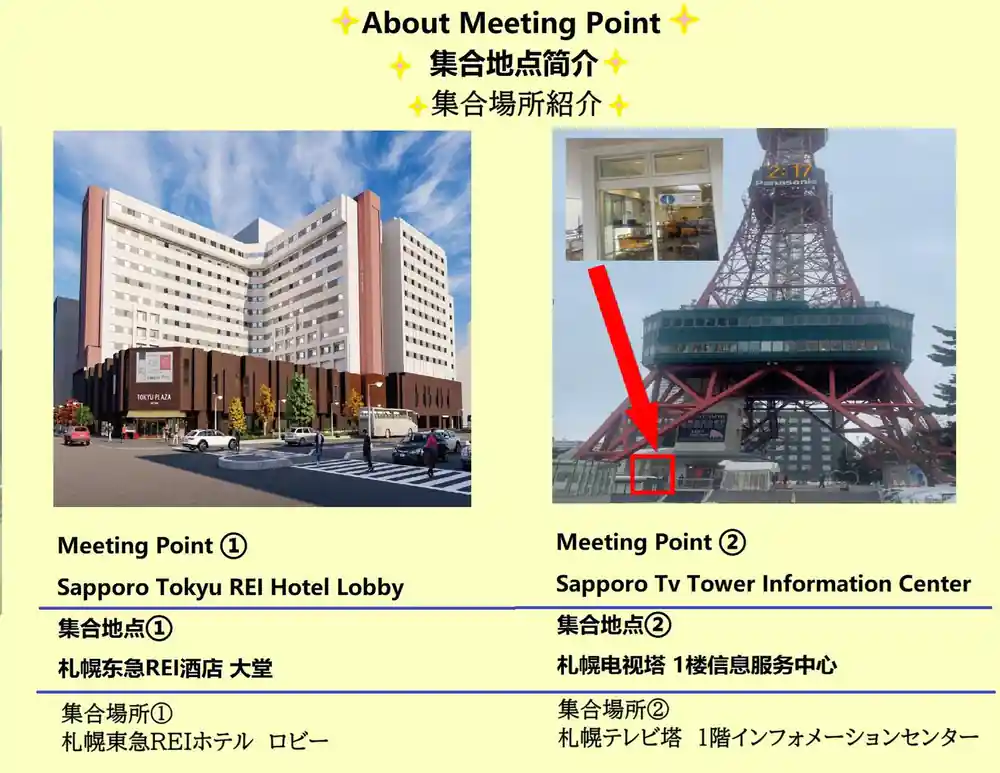
The tour starts from two starting location options in Sapporo, so check your meeting point the night before.[1]
Lunch at the restaurant stop
The loop includes a stop at a local restaurant, which breaks the driving and gives you time to eat.[1]
Eat at the flower farms
Shikisai no Oka spreads over fifteen hectares and Farm Tomita over 29 hectares.[2][3]
Carry cash and tissues
Bring small notes for stalls, a bottle of water, and tissues for the simpler toilets on the way back to Sapporo.
Plan your Furano and Biei food day from Sapporo
from US$48Reserve now & pay later